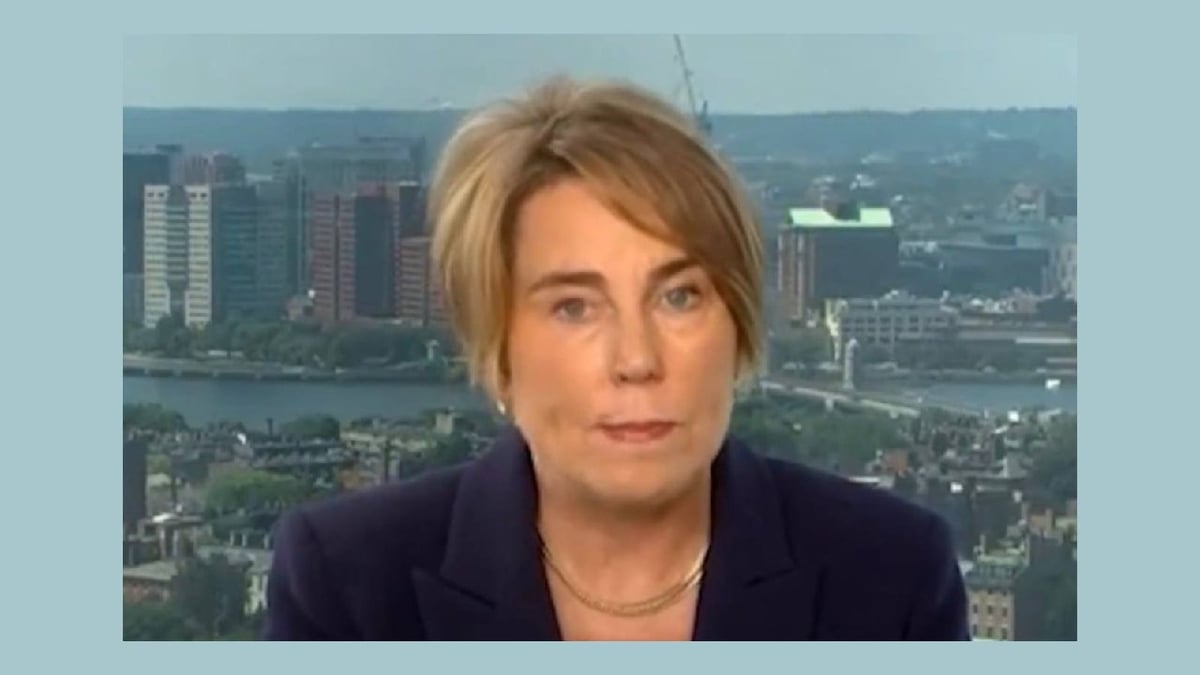
BOSTON — Governor Maura Healey is bleeding voters.
A new MassINC poll released Wednesday has the governor underwater at 39 percent approval against 45 percent disapproval — a 16-point fall from the 55 percent approval MassINC measured in August 2025. The damage is concentrated among men, independents, voters under 45, and lower-income, lower-education Bay Staters — the swing groups that decide statewide races in Massachusetts.

Governor Maura Healey at a State House press conference.
Why she's bleeding
MassINC's analysts pointed to two visible failures: the MBTA, where only 21 percent of voters say they see improvement (43 percent say it stayed the same, 19 percent say it got worse), and the harsh winter, where complaints about snow removal from sidewalks, roads, and bus stops dragged down quality-of-life scores.
But underneath the T and the snow, MassINC respondents told pollsters their "quality of life is slipping" — a sentiment that hangs over the policy fights Healey has piled up this spring:
- Energy. Healey has poured millions into heat pump training as critics warn her policies will drive utility costs higher — at the same time Bay State families are already complaining about skyrocketing bills.
- ICE. Healey's own anti-ICE legislation tucked inside a $411 million spending bill has fueled criticism of Massachusetts as a sanctuary state — even as criminal illegal immigrants with final removal orders walk Bay State streets until ICE picks them up.
- Public safety. A paroled cop-shooter released by the Massachusetts Parole Board allegedly sprayed roughly 60 rifle rounds at civilian traffic on Memorial Drive in Cambridge last week, putting two innocent men in the ICU — the latest in a string of violent lifers freed by Healey's parole board, including convicted killers and a gang warlord.
- Jobs and people fleeing. Massachusetts has lost 35,000 private-sector jobs since 2020 — North Carolina gained 400,000 over the same window — and now ranks dead last in the country for business formation, according to Pioneer Institute. Another 182,000 net domestic residents have packed up and left the state, as Healey defends the same high-tax structure that Pioneer says is driving the exodus and opposes a proposed tax-cut ballot to fix it.

Migrant families sleeping at Boston's Logan International Airport while waiting for placement in the state's emergency shelter system — the image that defined Healey's first migrant-crisis year, before her July 2024 ban on overnight stays at the airport. Photo: Gabrielle Emanuel / WBUR.
MASSDAILYNEWS
STAY UPDATED
Get Mass Daily News delivered to your inbox
ADVERTISEMENT · Interested in advertising?
ADVERTISEMENT · Interested in advertising?
And in the background, the smaller stuff that polls notice: one of Healey's own aides ended up in jail accused of cocaine trafficking — while collecting $31,000 in taxpayer salary behind bars.
Republicans have a shot
Healey's slide is creating real Republican opportunity heading into November. Both candidates in the September primary pounced on the poll.
Brian Shortsleeve — the former MBTA chief who is positioning himself as the moderate candidate in the race — has built his campaign squarely on the affordability and MBTA themes the MassINC poll says are tanking Healey's numbers. It is a playbook with recent precedent: Republican Charlie Baker reclaimed the title of America's most popular governor at 74 percent approval before he left office in 2023 by running exactly the same kind of moderate, get-things-done campaign that won him two terms in deep-blue Massachusetts.
Hours after the poll dropped, he attributed Healey's collapse to "the same failed leadership", warning that "families are getting crushed by costs" and that "young people are leaving Massachusetts because they don't see opportunity here anymore." His read on the numbers: "People want change, and this race is just getting started."
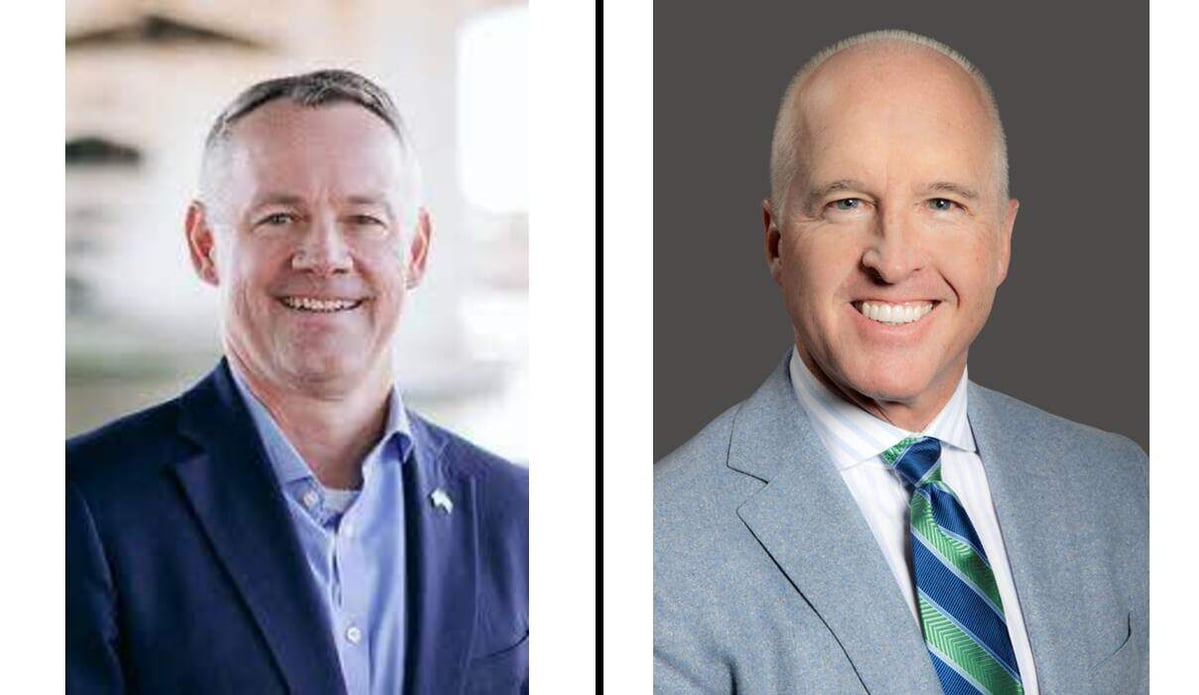
Republican gubernatorial candidate Brian Shortsleeve (left) and his Republican primary opponent Mike Minogue (right). The two will face off on the September Republican primary ballot.
ADVERTISEMENT · Interested in advertising?
ADVERTISEMENT · Interested in advertising?
Shortsleeve's campaign has also outflanked the Massachusetts Democratic Party's effort to brand him as anti-abortion: when the state Dems ran an ad falsely accusing him of opposing abortion rights, his campaign sent cease-and-desist letters to every TV station and CTV platform carrying it, threatening defamation liability.
His GOP primary opponent, businessman Mike Minogue, offered his own read Monday afternoon:
— Mike Minogue | MA Gov Candidate (@MikeMinogueABMD) May 18, 2026Massachusetts is at a tipping point.
It's time for a new kind of Governor so Massachusetts can be the best place for you to live, work, and raise a family.
Minogue — who has described himself as the "pro-life" candidate in the race — won the MassGOP endorsement at the April convention with 70 percent of the delegate vote, a real show of grassroots Republican enthusiasm and a clear mandate from the party base. But he has so far refused to debate Shortsleeve, apparently content to clear the field with money and the MassGOP endorsement — the same endorsement some Republicans are now openly questioning the value of, after the party's endorsed lieutenant governor candidate Anne Brensley failed to collect the signatures to even make the September ballot. Massachusetts has seen the buy-the-primary strategy recently: in 2025, Josh Kraft poured $5.5 million of his own money into the Boston mayor's race before taking 23 percent in the preliminary and dropping out two days later.
A 16-point drop in approval over seven months is unusual for a sitting Massachusetts Democrat. The election is in November.
Loading Comments