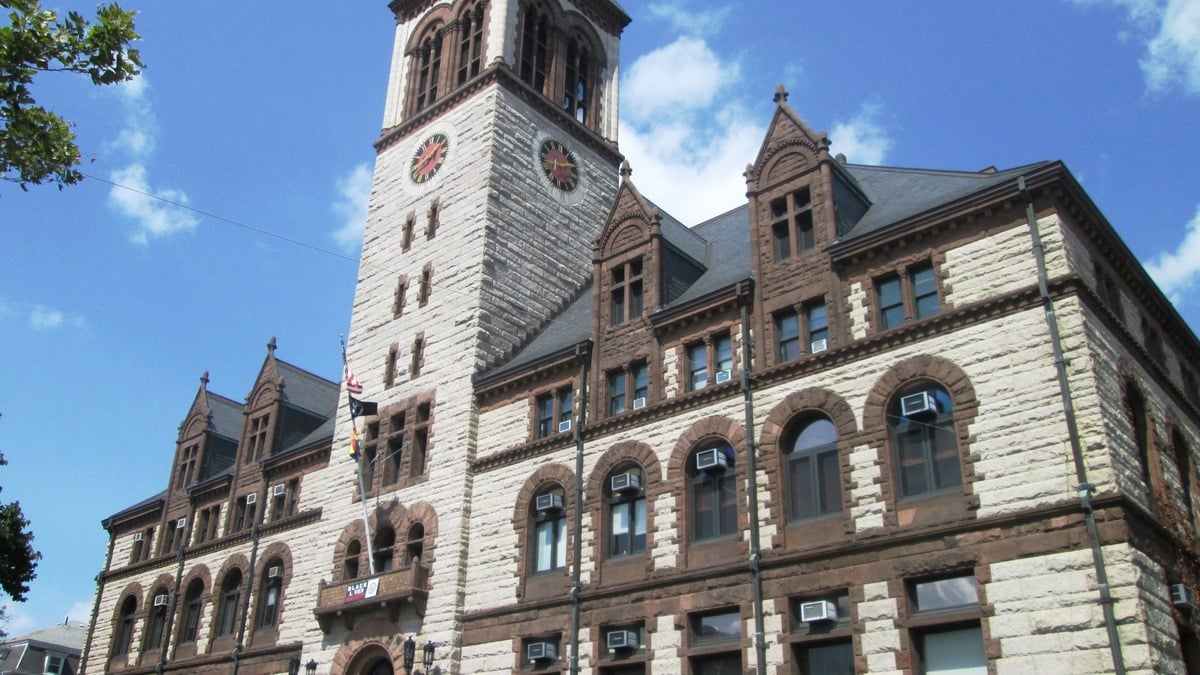
CAMBRIDGE — Cambridge officials have begun the public phase of a months-long working effort to bring "social housing" to the city — a model in which the government, rather than private investors, owns and operates mixed-income residential buildings that remain permanently affordable.
The task force includes Cambridge City Councilors Ayah Al-Zubi (elected on a social-housing platform) and Jivan Sobrinho-Wheeler, State Rep. Mike Connolly, and Cambridge's Deputy Chief of Planning Jen Caira. The group of more than a dozen members has been meeting since earlier this year and is preparing to submit unanimous recommendations to the city, the Boston Globe reported.
The political support for the project sits at an unusual intersection. The Democratic Socialists of America is backing it openly. Cambridge YIMBYs — the pro-housing-supply organization typically associated with the libertarian-leaning end of the housing-policy debate — has indicated it will support the model if it produces affordable units. State funding, meanwhile, was authorized by the 2024 Affordable Homes Act, signed by Governor Maura Healey.
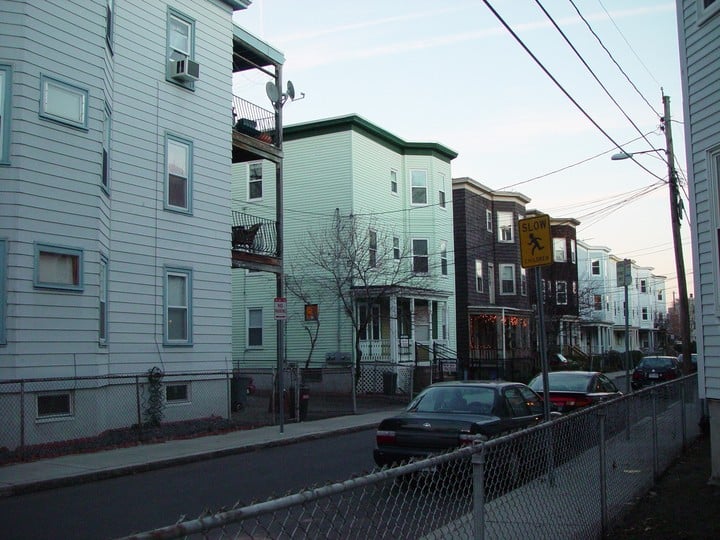
The existing Cambridge market: triple-decker apartment buildings, the city's dominant pre-war residential housing stock. Photo: Wikimedia Commons.
What "social housing" means in practice
The model proposed in Cambridge is, by design, structurally different from traditional public housing. Task-force members have emphasized that the buildings would house mixed-income tenants — poor, middle-class, and higher-income households living together in the same property — rather than being designated only for low-income residents, the way American public housing has been since the 1930s.
The model the task force most often cites is Vienna's. The Austrian capital is the global archetype for government-owned social housing: more than half of Vienna's residents live in publicly owned or subsidized mixed-income units, and roughly 75 percent of the city's population qualifies for them. Montgomery County, Maryland is the closest American analog.
Al-Zubi described the project to the Globe in moral terms: "Social housing is such an incredible opportunity for us to think about treating housing as a human right and not as a commodity."
MASSDAILYNEWS
STAY UPDATED
Get Mass Daily News delivered to your inbox
ADVERTISEMENT · Interested in advertising?
ADVERTISEMENT · Interested in advertising?
The communism question
The framing is what gives the proposal its political charge.
The model removes private profit-seeking investors from a sector — residential housing — in which their participation has, in the United States, historically defined the market. The state, in this version, owns the building, sets the rents, and chooses the tenants. The model's defenders argue this is not socialism; it is, they argue, simply public ownership of a particular kind of asset, no different in principle from a public library or a public school.
Critics use a different word. The European social-housing model emerged in the early twentieth century from the same intellectual tradition that produced state ownership across broader sectors. Vienna's program — often called the gold standard by advocates — was created during the city's "Red Vienna" period in the 1920s and 30s, under the Social Democratic Workers' Party. The continuity of language is not accidental.
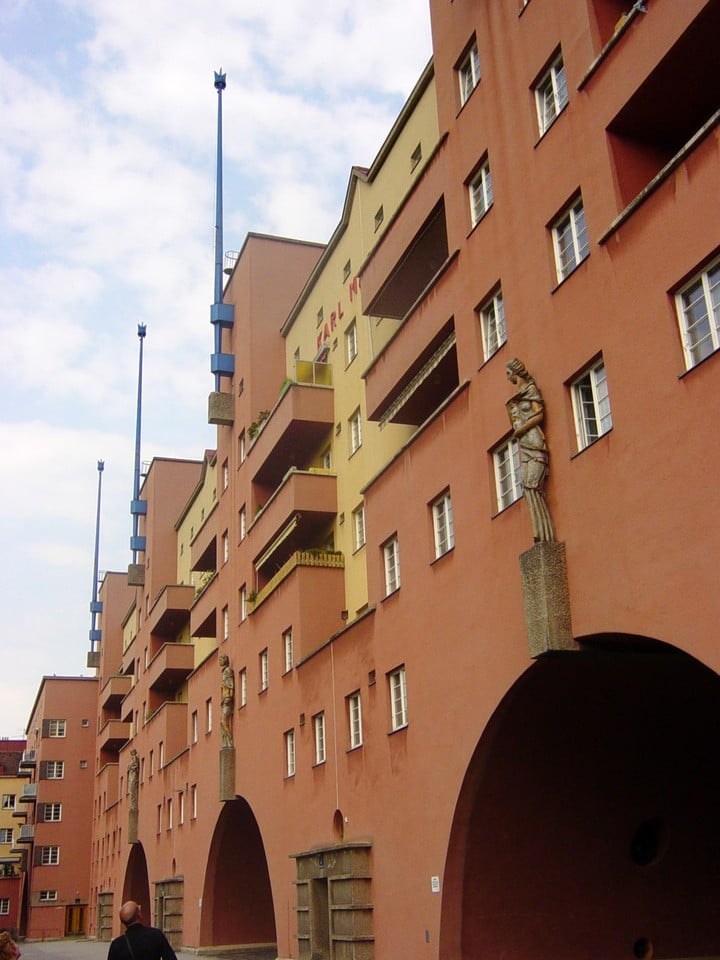
Vienna's Karl-Marx-Hof, a flagship of the 1920s-30s "Red Vienna" social housing era and one of the longest residential buildings in the world. Photo: Wikimedia Commons.
The task force argues this is not seizing private property, not collectivizing capital, and not abolishing markets in adjacent sectors. The counter is that an American city electing to put residential stock into permanent public ownership is, on the most charitable reading, still an expansion of state authority into a market that has been private. There is a related practical concern that the task force's public framing has so far left aside: who, in this model, decides who gets the units. American cities have a long history of public-housing allocation systems quietly running on political patronage — placing supporters, connected families, and aligned constituents at the front of the line for the units the city controls. Cambridge has not yet detailed how it intends to insulate tenant selection from the same dynamic. Whether the model is "communism," social democracy, or simply pragmatic housing policy is the question Cambridge has placed in front of itself.
ADVERTISEMENT · Interested in advertising?
ADVERTISEMENT · Interested in advertising?
The social media reaction
The proposal drew an immediate online backlash. Within hours of the Globe's story appearing online, the comment threads under it — and the X and Facebook reposts of it — were dominated by accusations that the plan was communism in everything but name, that Cambridge was importing European socialism into the Massachusetts housing market, and that the city's existing taxpayers would be the ones funding the experiment. Defenders of the model pushed back with the same Vienna and Montgomery County comparisons that the task force itself uses, and with a broader argument that American housing markets are no longer working as designed for the people supposed to live in them.
What's missing
The task force has not yet published specific numbers — how many units, what scale, what budget, what rents, what timeline.
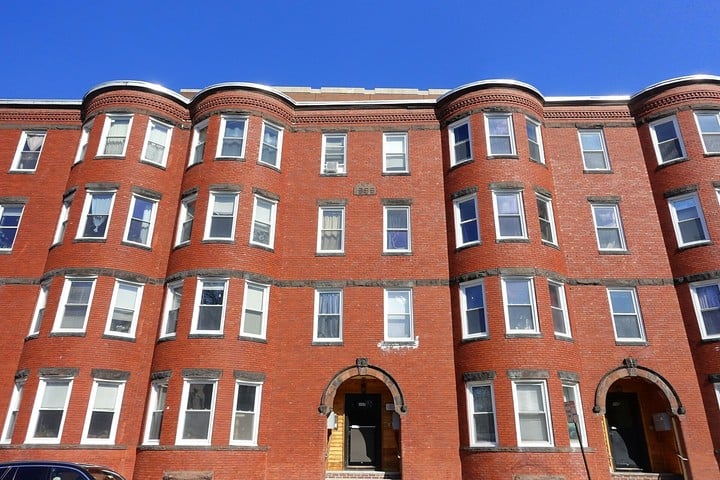
A classic Cambridge apartment building on Harvard Street — the kind of private-market rental stock the city's social-housing task force is now asking whether the public should help own. Photo: Wikimedia Commons.
Those details will determine whether the Cambridge experiment is a small pilot or a structural change to the city's housing market.
The recommendations are expected later this year.
Loading Comments