BOSTON — A coordinated, state-funded campaign scripted public hearings, drafted template testimony and pushed permanent "Nicotine-Free Generation" tobacco bans through 13 Massachusetts towns — including towns where residents had already voted against the ban or flooded their Boards of Health with emails opposing it, Reason reported Thursday based on public-records requests in each town.
The policies — adopted as "Nicotine-Free Generation" or "Tobacco-Free Generation" regulations — permanently ban tobacco and nicotine sales to anyone born after a specific cutoff date, typically January 1, 2004 or 2005. The cutoff rolls forward year by year. The practical effect is a forever-rolling ban: in two decades, no one under 40 in those towns will be able to legally buy a pack of cigarettes.
According to the records Reason obtained, the campaign was orchestrated by the state Massachusetts Tobacco Cessation and Prevention Program (MTCP) in coordination with the Public Health Advocacy Institute — a Boston-based nonprofit that reported $21.2 million in revenue in fiscal year 2023 and provided free legal defense to municipalities that adopted the bans. Model regulations were distributed to local Boards of Health by the Massachusetts Health Officers Association and the Massachusetts Association of Health Boards, both partially funded by government grants.
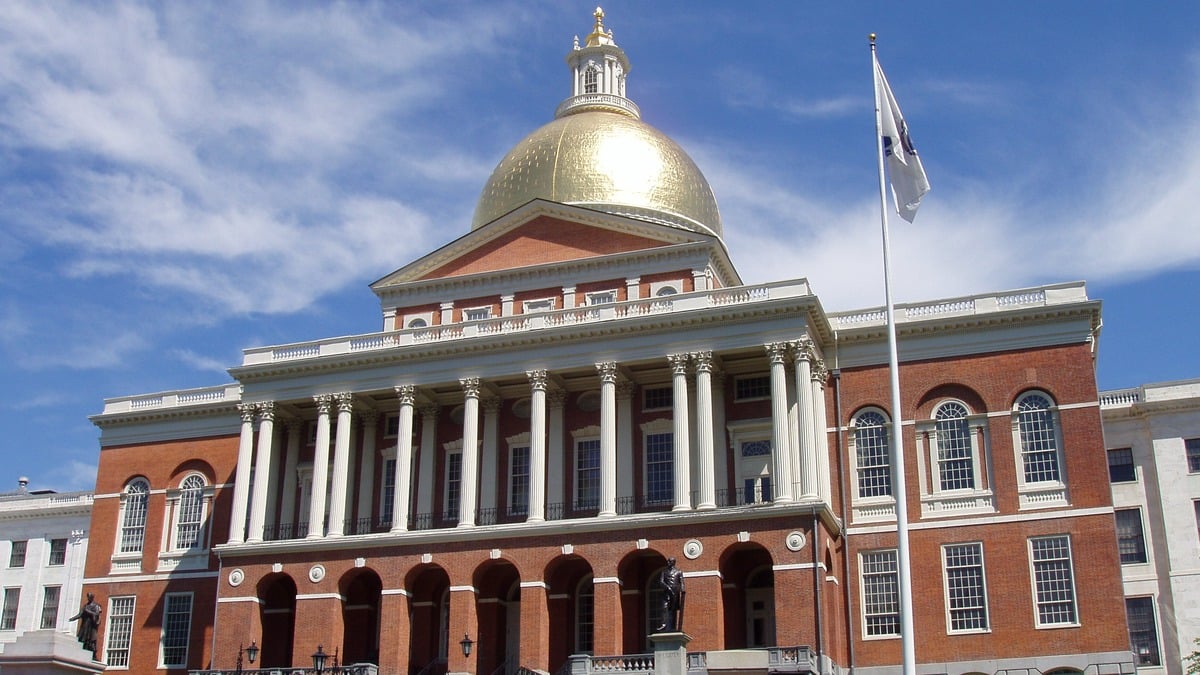
The Massachusetts State House on Beacon Hill. The campaign to push the Nicotine-Free Generation bans through local Boards of Health was state-funded, coordinated and tracked. Photo: Daderot / Wikimedia Commons (CC BY-SA 3.0).
Scripted hearings
In Amherst, the hearing script handed to the Board of Health instructed members not to weigh in. "Board members only need to listen to the public testimony. No [Board of Health] member will comment or ask any questions," the script read, according to Reason.
In Hopkinton, Health Director Shaun McAuliffe wrote to colleagues that the vote was already decided before testimony was heard: "My Board is committed to passing this." In a separate email, McAuliffe offered to recruit sympathetic witnesses for the neighboring town of Ashland's hearing: "I can speak to Rajit and find some kids." For his own town's hearing, he wrote: "I'm going to line up as many parents that have addicted kids that I can. Game on."
MASSDAILYNEWS
STAY UPDATED
Get Mass Daily News delivered to your inbox
ADVERTISEMENT · Interested in advertising?
ADVERTISEMENT · Interested in advertising?
In Belchertown, Public Health Director Andrea Crete solicited template letters of support from outside advocacy partners. A Drug-Free Communities director wrote back: "Let me know if there is anything specific you would like me to add." The Belchertown Board of Health then voted 4-0-1 to adopt the ban after receiving roughly 1,000 emails opposing it.
In Melrose, tobacco inspection coordinator Maureen Buzby wrote that the program was being tracked at the state level: "MTCP has asked all of us Tobacco Program Managers to let them know when new tobacco policies get passed."
Manchester-by-the-Sea: voters said NO
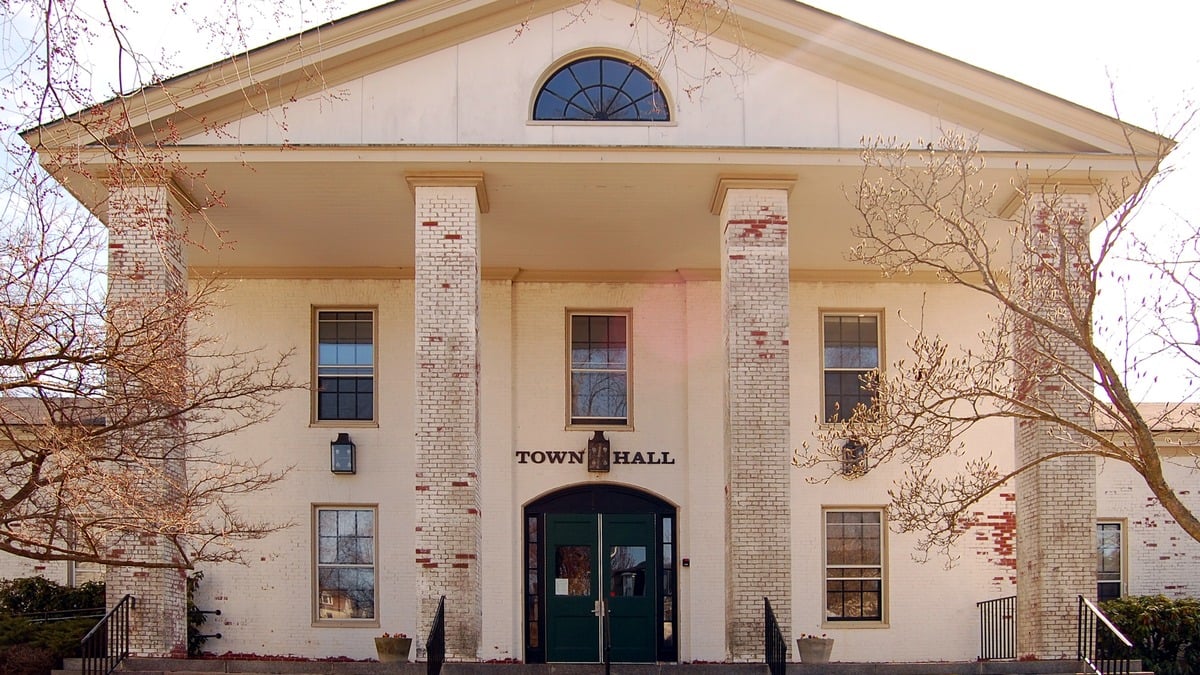
Manchester-by-the-Sea Town Hall. Residents voted 81-76 against the Nicotine-Free Generation ban at the April 2025 town meeting; the Health Director kept the regulation in force regardless. Photo: Fletcher6 / Wikimedia Commons (CC BY-SA 3.0).
In April 2025, Manchester-by-the-Sea town meeting voted 81-76 against the Nicotine-Free Generation ban. Health Director Wendy Hansbury kept the regulation in force regardless, according to the records.
ADVERTISEMENT · Interested in advertising?
ADVERTISEMENT · Interested in advertising?
Massachusetts Boards of Health hold independent regulatory authority under G.L. c. 111 § 31, and a town-meeting vote alone does not automatically repeal a Board of Health regulation. But the Manchester result, the records show, was treated by Hansbury as a setback to be managed rather than a public verdict to be honored.
The lone holdout
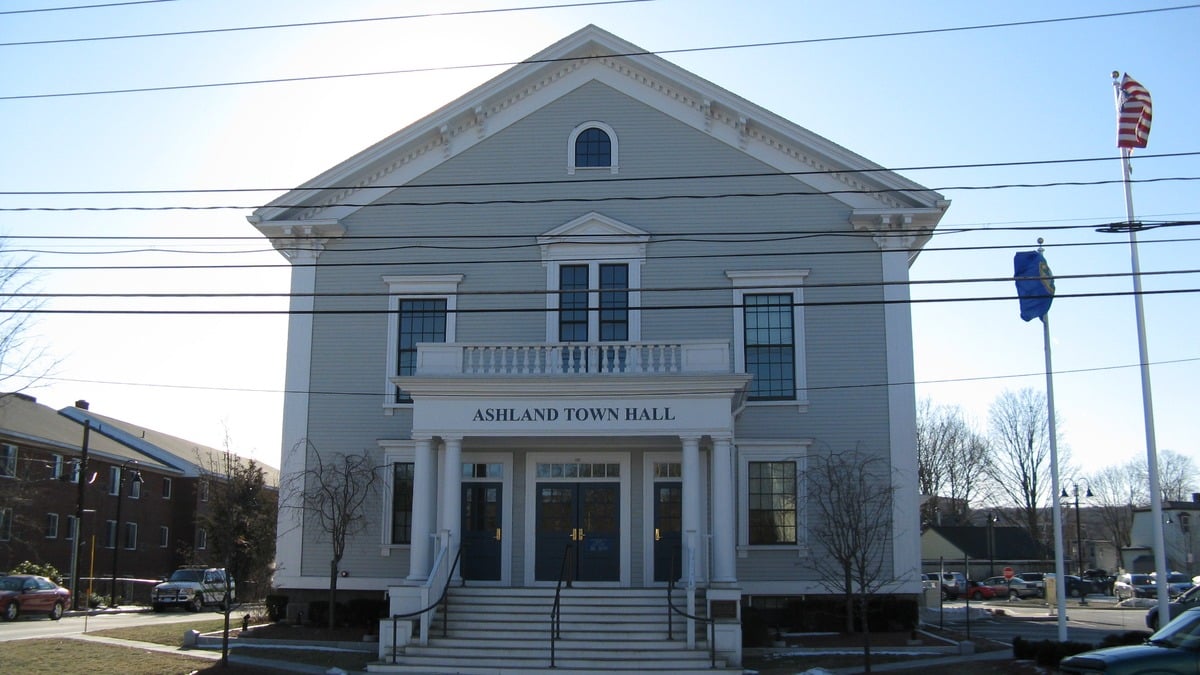
Ashland Town Hall. Board Chair Ed Burman declined to push the ban forward without broader town input — the lone dissent in the records Reason obtained. Photo: John Phelan / Wikimedia Commons (CC BY 3.0).
The one Board of Health official who publicly pushed back was Ed Burman, the Ashland Board Chair. "The Board discussed at length and felt 5 Board Members shouldn't make this decision for the whole Town," Burman wrote — declining to bring the bylaw forward without broader town-meeting input.
What it means
The records do not prove illegality. Massachusetts Boards of Health have wide latitude to set local health regulations, and recruiting sympathetic witnesses for public hearings is standard advocacy practice on both sides of every issue. What the records do show, according to Reason, is a state-funded campaign in which the hearings were pre-scripted, the testimony was pre-staged, the support letters were pre-drafted by the same officials staging the vote — and in at least one town, the residents' own vote was treated as advisory rather than binding.
Loading Comments