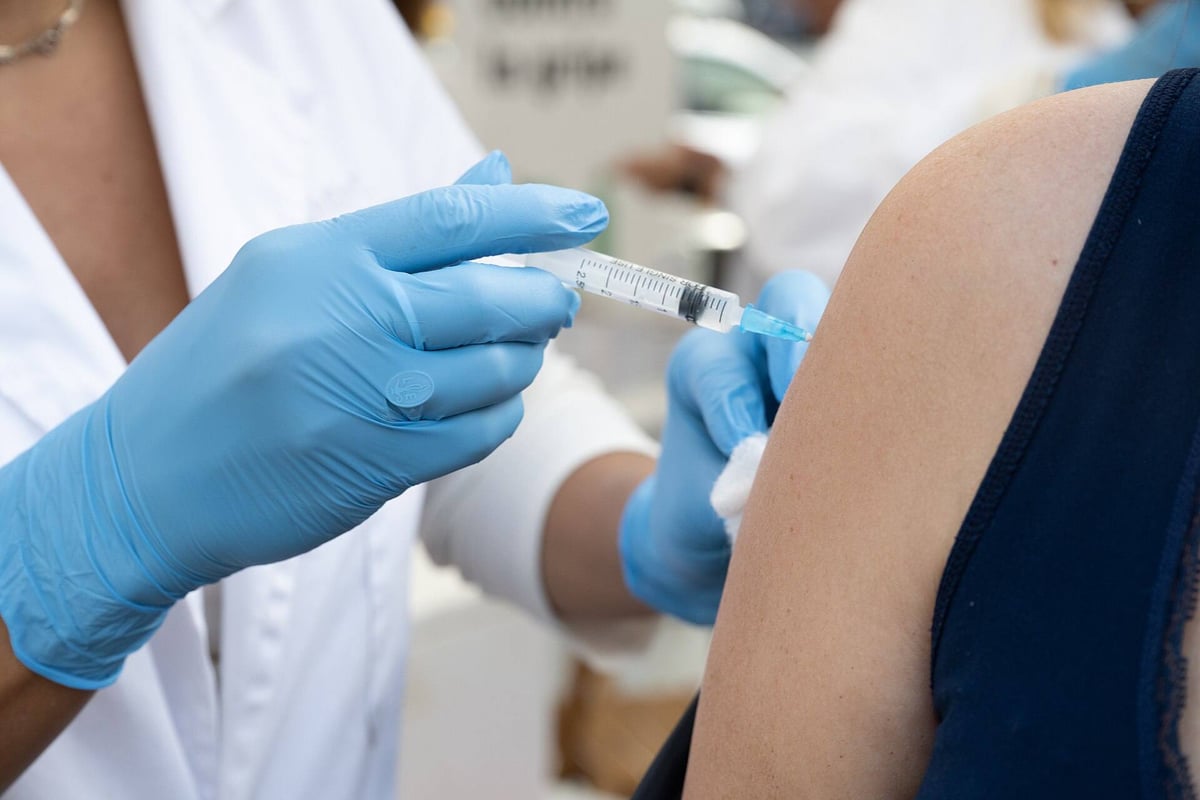
CAMBRIDGE — A Cambridge biotech is two and a half years into developing an mRNA vaccine for hantavirus. The mice are doing great. The humans on the cruise ship dying of hantavirus right now will have to wait.
Moderna — the Kendall Square outfit that turned a generation of Americans into household-name vaccinologists during COVID — signed a research deal in September 2023 with Korea University's Vaccine Innovation Center to co-develop an mRNA hantavirus shot under Moderna's mRNA Access program. In February 2025, the Korea team, led by Professor Park Man-sung, announced that experimental doses had successfully prevented hantavirus infection in mice. That is where the program currently sits. No human trials. No timeline.

Moderna's headquarters in Cambridge. Photo: Fletcher / Wikimedia Commons (CC BY 4.0)
It might be nice to have one ready about now.
The Hondius
Moored off the coast of Cape Verde is the MV Hondius, a Dutch-flagged polar expedition cruise ship with three dead passengers and at least eight hantavirus cases — two laboratory-confirmed and several more under investigation. The strain is the Andes virus, the only hantavirus species that spreads person-to-person. Past Andes virus outbreaks have killed up to 40% of the people they infected. The CDC pegs the case-fatality rate of hantavirus pulmonary syndrome generally at 38%.
MASSDAILYNEWS
STAY UPDATED
Get Mass Daily News delivered to your inbox
ADVERTISEMENT · Interested in advertising?
ADVERTISEMENT · Interested in advertising?
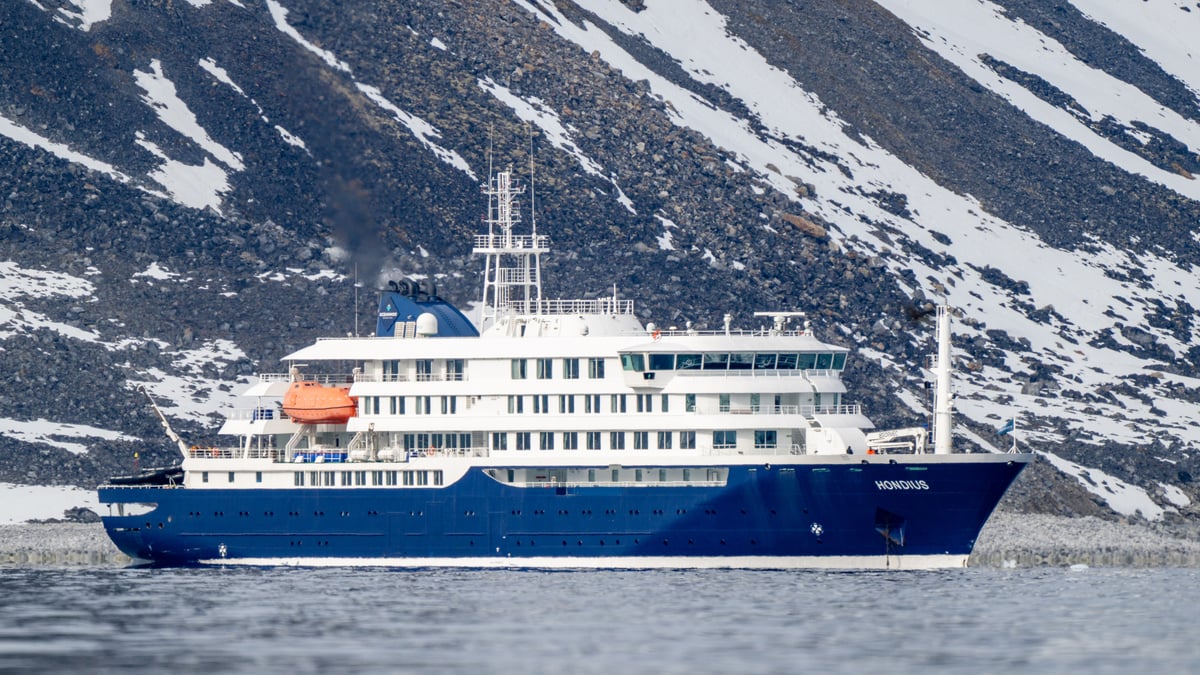
The MV Hondius. Photo: Stefan Brending / Wikimedia Commons (CC BY-SA 3.0 DE)
The first two victims, a Dutch couple, are believed to have been infected before they ever boarded — picked up while bird-watching through Argentina, Chile, and Uruguay, the WHO said this week. A German national has also died.
Already off the ship
By the time anyone outside the Hondius understood what was happening on it, the virus was already gone. On April 24 — almost two weeks after the first passenger died — more than two dozen people from at least 12 countries simply got off the ship and went home, PBS NewsHour reported. No screening. No tracing.
ADVERTISEMENT · Interested in advertising?
ADVERTISEMENT · Interested in advertising?
That cohort is now scattered across four continents, and US public-health officials are playing catch-up. Authorities in Arizona, California, Georgia, Texas, and Virginia are actively monitoring seven returning passengers for symptoms, Live Science reported Friday.
Three decades, no shot
Despite repeated outbreaks across the Americas going back to the early 1990s, there is no approved hantavirus vaccine anywhere on Earth. The longest-running American program is not in Cambridge. It is at the US Army Medical Research Institute of Infectious Diseases at Fort Detrick, Maryland, where virologist Jay Hooper has spent more than 30 years working on a DNA-based vaccine. It has never advanced past Phase 1.
Moderna has not said when, or whether, the Korea University collaboration will move into human trials. The company has also not said whether the cruise-ship outbreak changes that calculus.
For now, every person who catches the Andes virus from this outbreak is a coin flip away from death. The one Cambridge program that might eventually move that number is, as of this week, still in mice.
Loading Comments