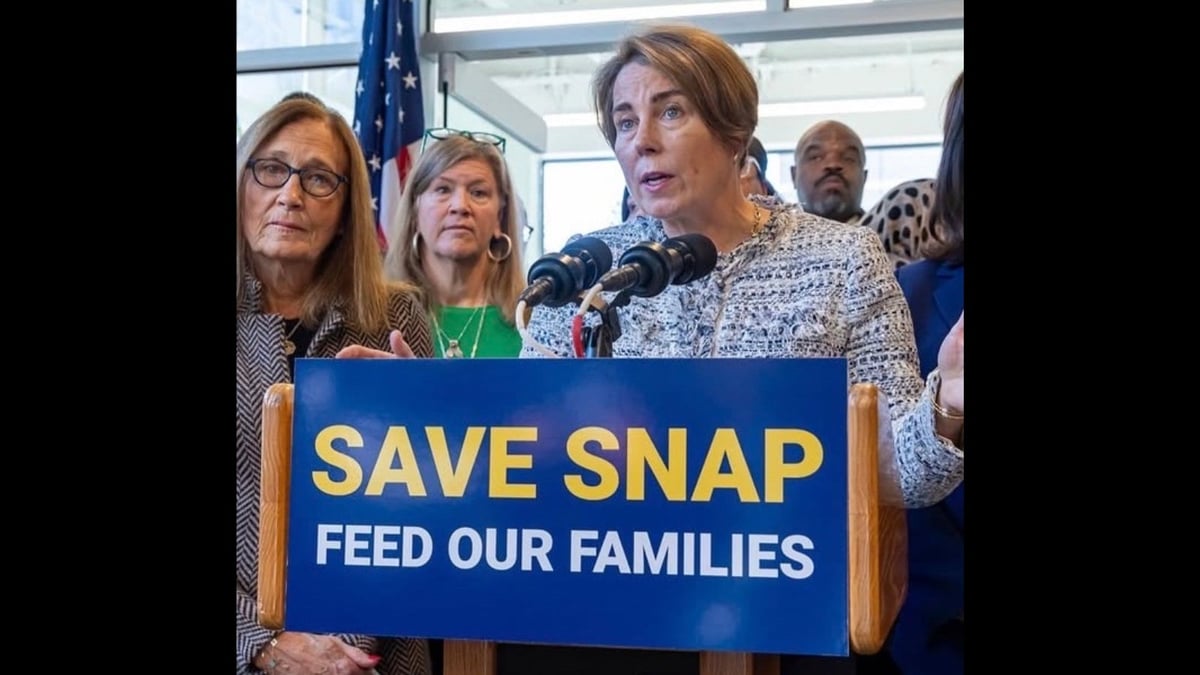
BOSTON — Massachusetts paid out more than $1 billion in improper SNAP payments between 2022 and 2024 while up to 75 percent of able-bodied recipients were not working, according to a bombshell new study from the Fiscal Alliance Foundation.
The report, released Thursday and authored by visiting policy analyst Hayden Dublois, found that the Commonwealth now carries a SNAP error rate of 14.1 percent — significantly higher than the national average of roughly 11 percent, and the worst of any state in New England. New Hampshire, by contrast, ranks among the best in the country.
SNAP enrollment in Massachusetts has surged 40 percent over the past decade, climbing from just under 785,000 recipients in 2015 to more than 1.1 million in 2024. The study found that between 65 and 75 percent of able-bodied recipients are not working, while state policies continue to allow individuals to bypass federal asset limits and remain eligible for benefits regardless of accumulated wealth.
A whistleblower cited in the report described fraud within the system as "rampant" and "unabated," along with a workplace culture that actively discourages basic verification of eligibility.
MASSDAILYNEWS
STAY UPDATED
Get Mass Daily News delivered to your inbox
ADVERTISEMENT · Interested in advertising?
ADVERTISEMENT · Interested in advertising?
"More than a billion dollars in improper SNAP payments in just two years is not a rounding error, it is a complete failure of oversight," said Paul Diego Craney, Executive Director of the Fiscal Alliance Foundation. "Taxpayers are being asked to fund a system where fraud is ignored, safeguards are weakened, and accountability is treated as optional."
The financial exposure is about to get worse. Beginning in fiscal year 2028, federal rules will require states with error rates above 6 percent to begin sharing the cost of improper payments — a threshold Massachusetts exceeds by more than double. That means taxpayers could soon be on the hook not just for the benefits themselves, but for the state's failure to distribute them correctly.
The study also found that broader welfare spending continues to balloon. Medicaid now consumes nearly one out of every four state budget dollars, with total spending up nearly 50 percent since 2015. Emergency shelter costs are approaching $1 billion, and spending on the HomeBASE program has seen dramatic increases. The report flagged rising expenditures tied to non-citizen emergency care and expanded state-funded benefits.
ADVERTISEMENT · Interested in advertising?
ADVERTISEMENT · Interested in advertising?
In the TANF program, caseloads have grown while spending on work-related activities has declined. Only about half of work-eligible recipients are meeting minimum participation requirements.
"Beacon Hill has prioritized expanding enrollment over protecting taxpayers and ensuring these programs are being used as intended," Craney said. "When you combine skyrocketing caseloads with weak verification and rising error rates, you create an environment where fraud can thrive. Reform is long overdue."
Dublois warned that the current trajectory is unsustainable. "Massachusetts's welfare programs are on a collision course with reality," he said. "Years of ignoring improper payments while promoting more program enrollment at all costs have now put the Commonwealth's taxpayers in a bind."
Loading Comments