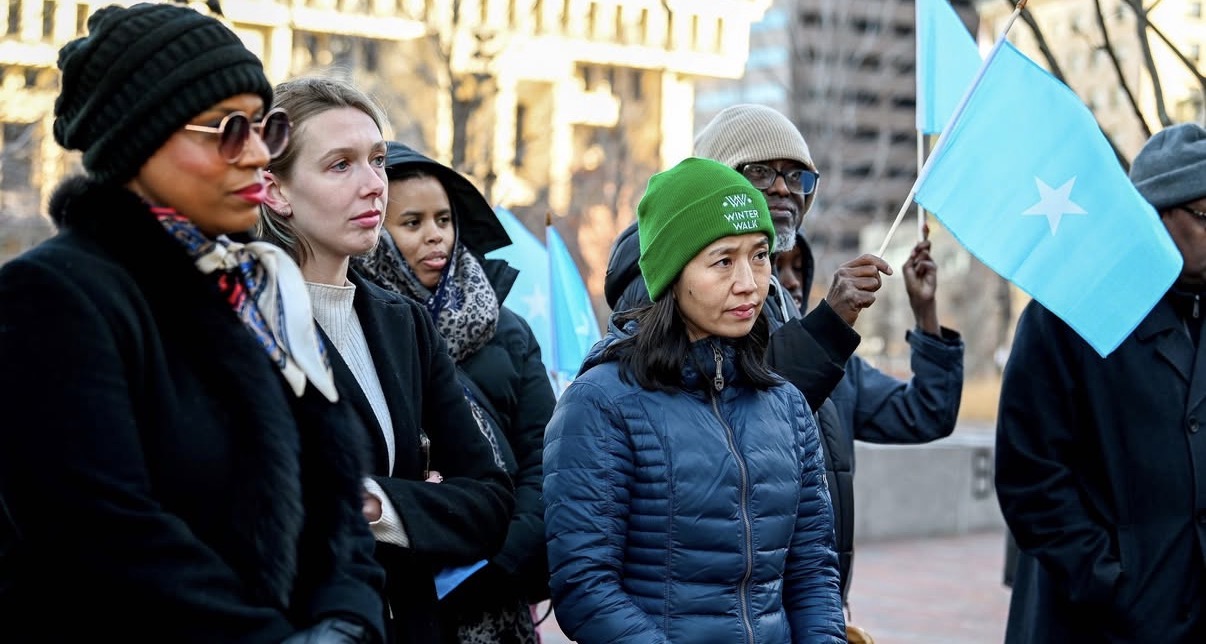
BOSTON — The city of Boston has now lost more than $355 million in federal funding over the past year, with another $280 million on the chopping block — a staggering collapse that has left the city staring down a $50 million budget deficit, a spending freeze, and a growing revolt from its own City Council.
Some of the money was pulled by the Trump administration. Some of it was lost because the Wu administration simply didn’t do the paperwork. And hundreds of millions more is at risk because of a “30-day review” of transportation projects that Mayor Michelle Wu ordered a year ago — one that, for most projects, never actually ended.
Here’s where every dollar went.
The confirmed losses: $355 million gone
Allston I-90 Multimodal Project — $327 million
The biggest single loss. Massachusetts won a $335 million federal grant in 2023 under the Biden administration’s Reconnecting Communities and Neighborhoods program to rebuild the Mass Pike through Allston, create a new commuter rail station, and open up the Charles River waterfront.
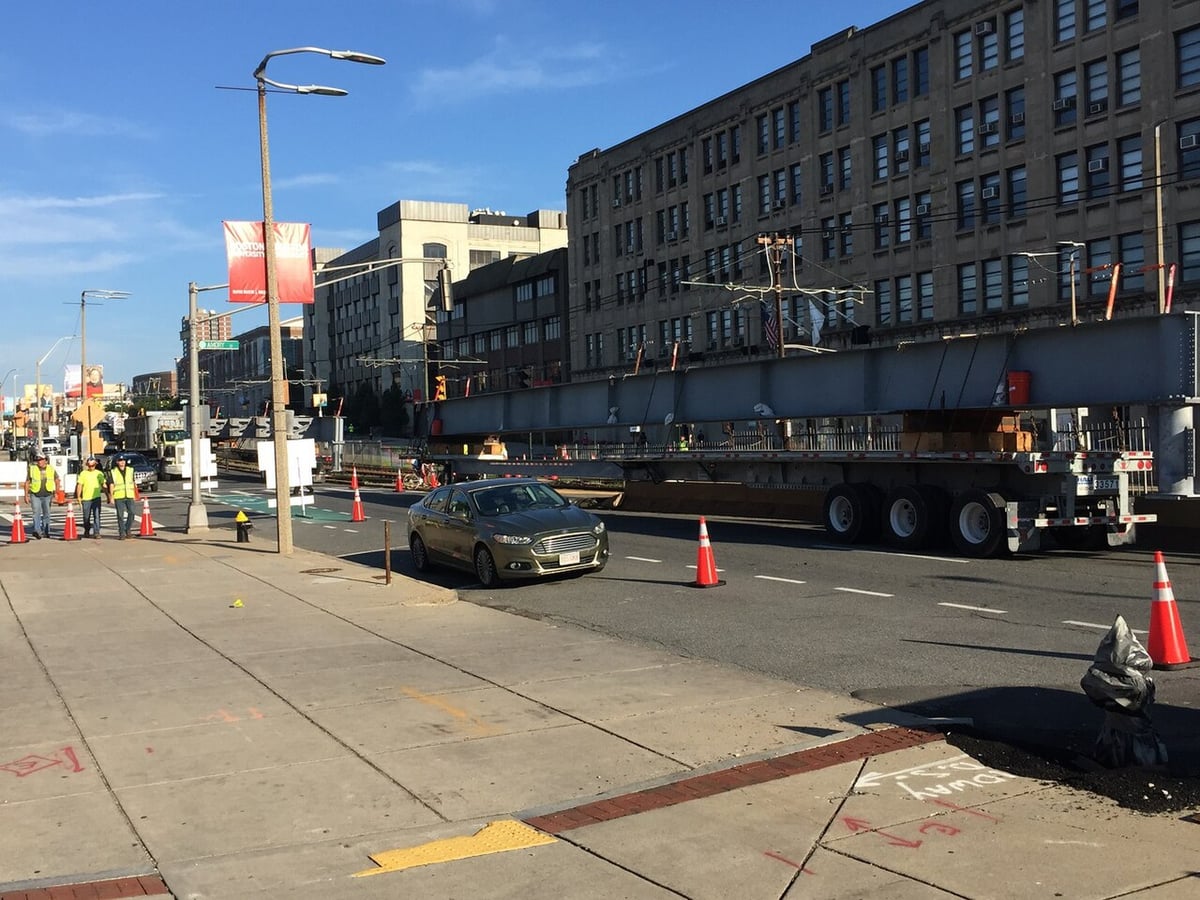
The I-90 corridor near the Allston interchange, where a $327 million federally funded reconstruction project is now effectively shelved (MassDOT)
In July 2025, President Trump signed the One Big Beautiful Bill Act, which eliminated the program entirely. The state retained $8 million and began a “strategic review” of what’s left — which is to say, not much. A project that was supposed to transform one of Boston’s worst traffic bottlenecks is now effectively shelved.
Roxbury streets — $20 million
This one wasn’t Trump. The federal government had already approved a $20 million grant for three major streets in Roxbury. All the Wu administration had to do was sign the grant agreement before the end of fiscal year 2025. The grant was announced in September 2022. City Hall had three years to get it done — and couldn’t manage to put pen to paper.
They didn’t. The deadline passed. The money vanished.
The Trump administration cancelled the grant — but the reason it was available to cancel was that City Hall never bothered to lock it down.
Fenway intersection — $8.15 million
The most recent loss, and perhaps the most infuriating. The intersection of Park Drive, Boylston Street, and Brookline Avenue has been flagged as a “top crash location” under state and federal safety criteria. In 2019, a cement truck driver struck and killed Paula Sharaga, a beloved Brookline librarian, while she was riding her bike through it.
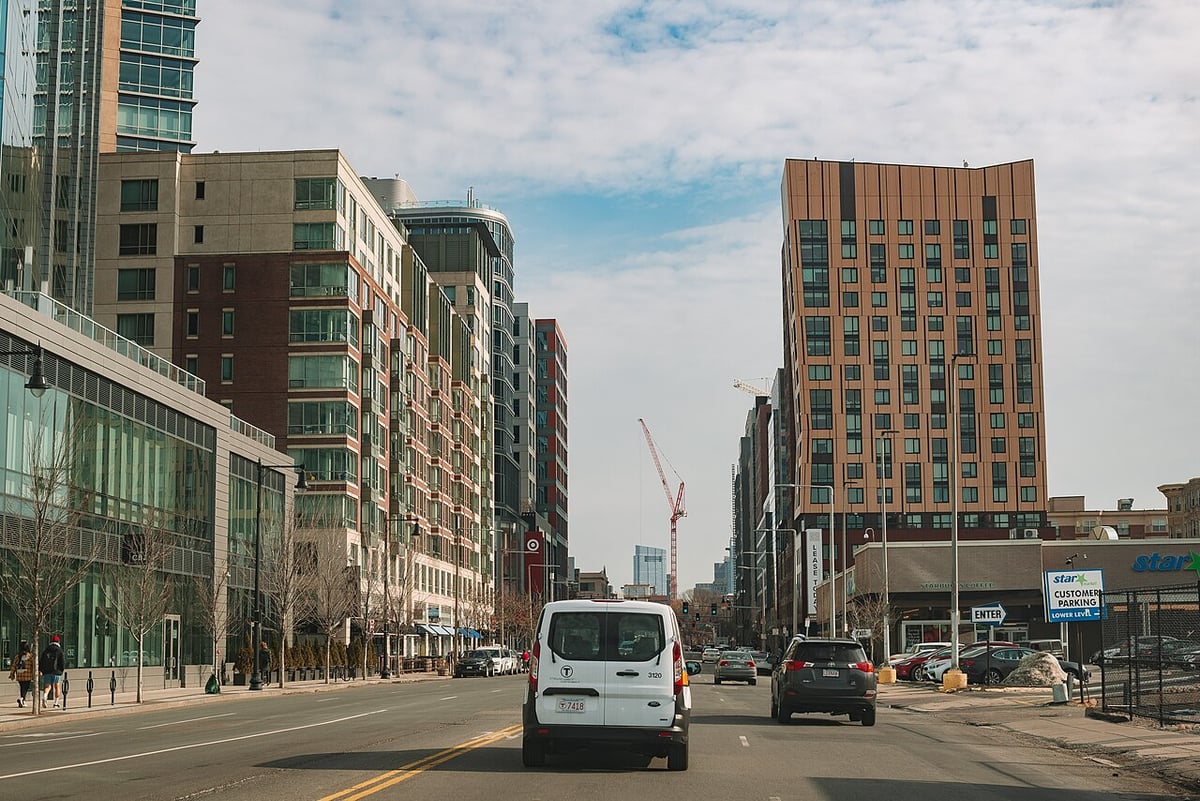
Boylston Street at Park Drive in the Fenway — the intersection where cyclist Paula Sharaga was killed in 2019. After 15 years of planning, the $8.15 million safety redesign just lost its funding (Wikimedia Commons)
Boston had been planning a federally funded safety overhaul of the intersection since 2011 — fifteen years. The project was budgeted for $8.15 million in federal funds this fiscal year. But the city still couldn’t get it to construction, so the Boston Metropolitan Planning Organization voted last week to pull the money and redirect it to projects that were actually ready to build.
Fifteen years of planning. A cyclist dead. And the money just walked out the door.
On the chopping block: $280 million+ at risk
MASSDAILYNEWS
STAY UPDATED
Get Mass Daily News delivered to your inbox
ADVERTISEMENT · Interested in advertising?
ADVERTISEMENT · Interested in advertising?
The confirmed losses are bad enough. What’s still at risk might be worse.
Blue Hill Avenue and Columbus Avenue — $162 million+
The crown jewel of Boston’s transit agenda — a $162 million project to add center-running bus lanes and safety improvements on Blue Hill Avenue — is stalled. Much of the funding comes with deadlines, and if those deadlines pass without construction starting, the money goes back.
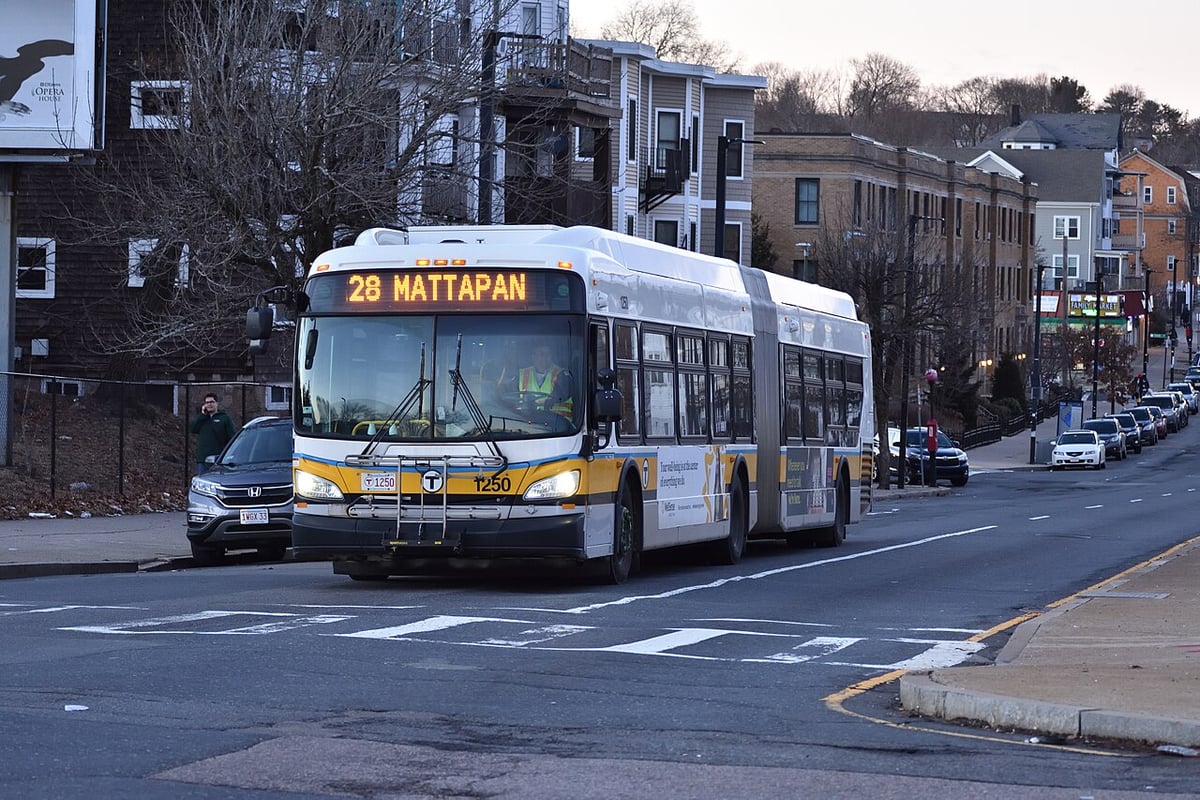
An MBTA Route 28 bus on Blue Hill Avenue near Mattapan. The $162 million dedicated bus lane project remains frozen (4300streetcar / Wikimedia Commons, CC BY 4.0)
City Council President Liz Breadon has estimated that roughly $200 million in various state and federal grants could be in jeopardy across multiple stalled projects.
Roxbury bus transitway — $34 million
The Wu administration told city planners to cancel meetings with the MBTA about a long-planned dedicated bus transitway in Roxbury, putting $34 million in federal transit funding at risk.
Cancel the meetings. Risk the money. Business as usual.
Maverick Square and Roslindale Square — pandemic funds expiring
Two redesign projects in East Boston and Roslindale are backed by federal pandemic relief dollars that expire at the end of 2026. Neither is moving.
HUD homelessness funding — $48 million (preserved by court order)
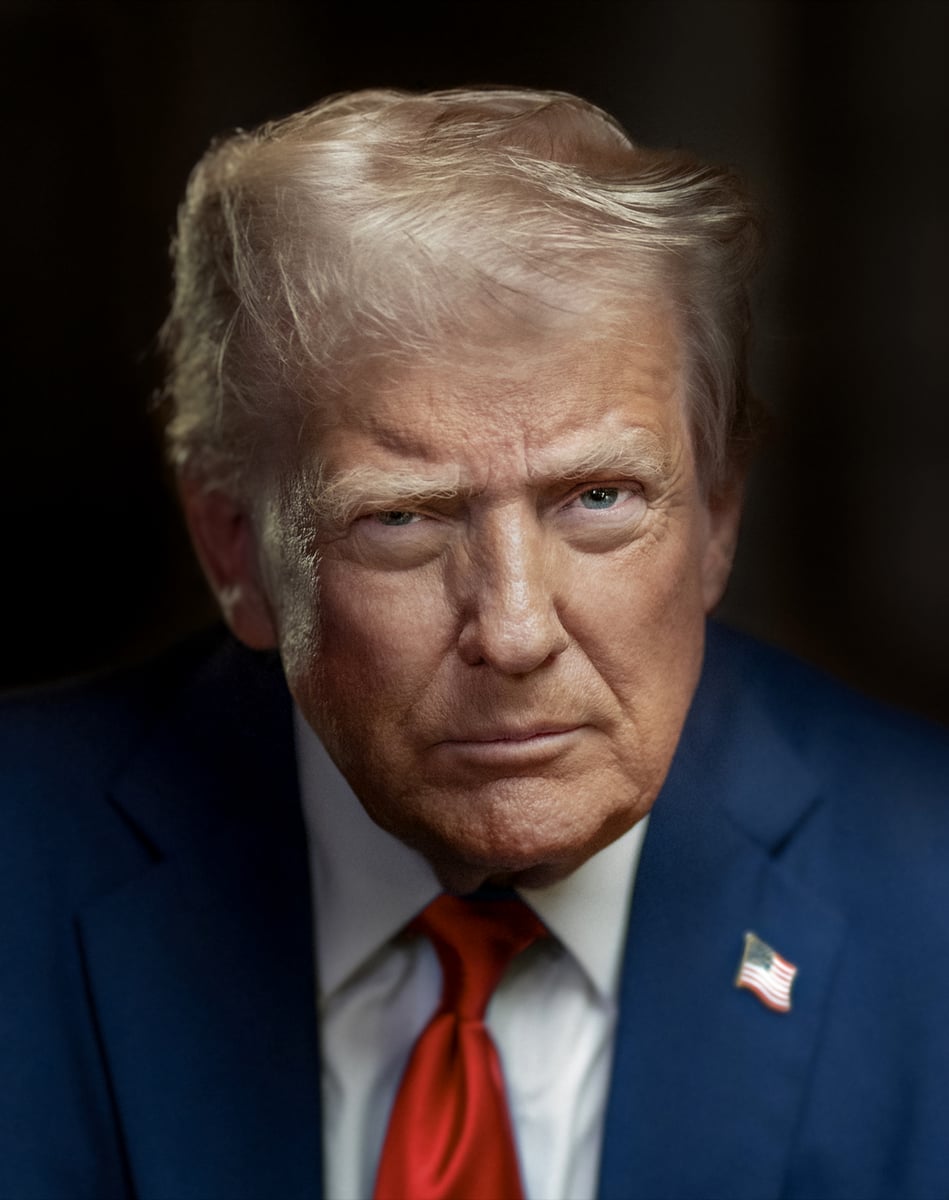
President Donald Trump, whose administration pulled hundreds of millions in federal funding from Boston — though not all of the city’s losses can be blamed on Washington (Official White House Photo)
The Trump administration attempted to withhold $48 million in Continuum of Care homelessness funding unless Boston complied with federal immigration enforcement orders. Wu sued, a federal judge blocked the cuts, and the money has been preserved — for now.
ADVERTISEMENT · Interested in advertising?
ADVERTISEMENT · Interested in advertising?
But the legal fight isn’t over, and the Trump administration has made clear it isn’t giving up on tying federal dollars to sanctuary city compliance.
It’s worth asking how much of this Wu brought on herself. The $48 million HUD fight exists because Wu has made Boston a sanctuary city flashpoint — suing the Trump administration, publicly refusing to cooperate with ICE, and allocating millions for deportation defense lawyers and grocery assistance for illegal immigrants even as her own budget was cratering. Trump threatened to cut $300 million a year in federal funding to sanctuary cities. A federal judge blocked that move — but the posture hasn’t exactly made Boston a priority when Washington is deciding where the remaining money goes.
How it happened: the 30-day freeze that never thawed
In late February 2025, as bike lanes and bus lanes were becoming a flashpoint in Wu’s reelection campaign, the mayor ordered a 30-day review of all street infrastructure projects. She required her personal approval before most projects could move forward.
That was more than a year ago. The review, for the vast majority of projects, never ended.
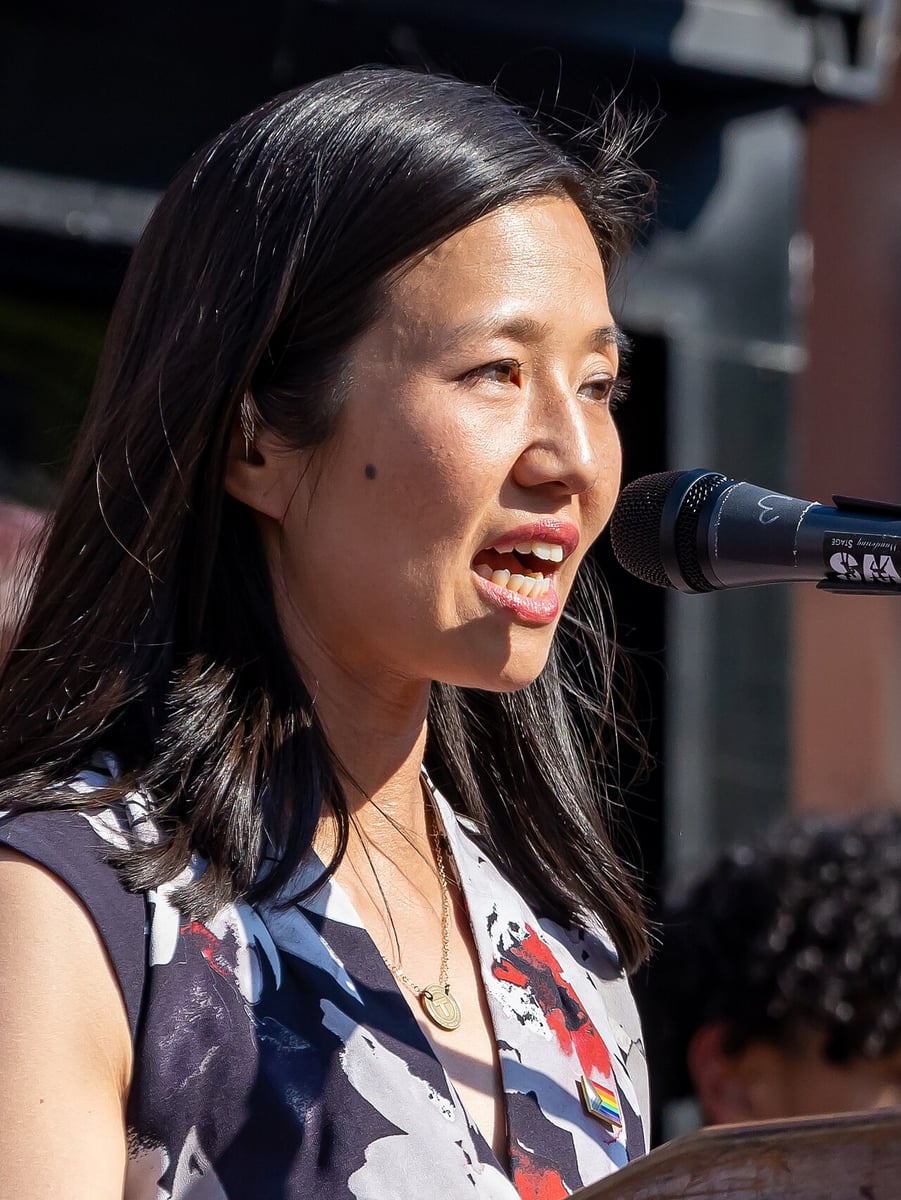
Boston Mayor Michelle Wu, whose 30-day project review stretched into a year-long freeze that put hundreds of millions in federal grants at risk (Joshua Qualls / Massachusetts Governor’s Office)
The result, according to a Boston Globe investigation published in March: delayed projects, cratered morale, and a streets department in freefall. Three senior officials have since left — chief of streets Jascha Franklin-Hodge, the Streets Cabinet’s chief of staff, and the deputy chief of streets for infrastructure and design. The director of planning retired.
Wu called it a “consensus approach.” Her own City Council — including allies — filed hearing orders demanding answers.
The bigger picture
The federal funding losses don’t exist in a vacuum. Boston is also dealing with:
- A $50 million budget deficit driven by snow removal overruns, police overtime, and rising health insurance costs
- A spending freeze on food, travel, office supplies, and building repairs
- A White Stadium renovation that tripled in cost to $135 million — and Wu knew about the overrun a month before telling taxpayers
- A $53 million Boston Public Schools budget deficit
- Millions allocated for deportation defense lawyers and grocery assistance for illegal immigrants — announced just weeks before the spending freeze
The Trump administration is pulling money from one direction. The Wu administration is letting it slip away from the other. And somewhere in the middle, a Fenway intersection where a cyclist was killed seven years ago still doesn’t have the safety improvements it was promised.
$355 million gone. $280 million more on the line. And a 30-day review entering its second year.
Loading Comments