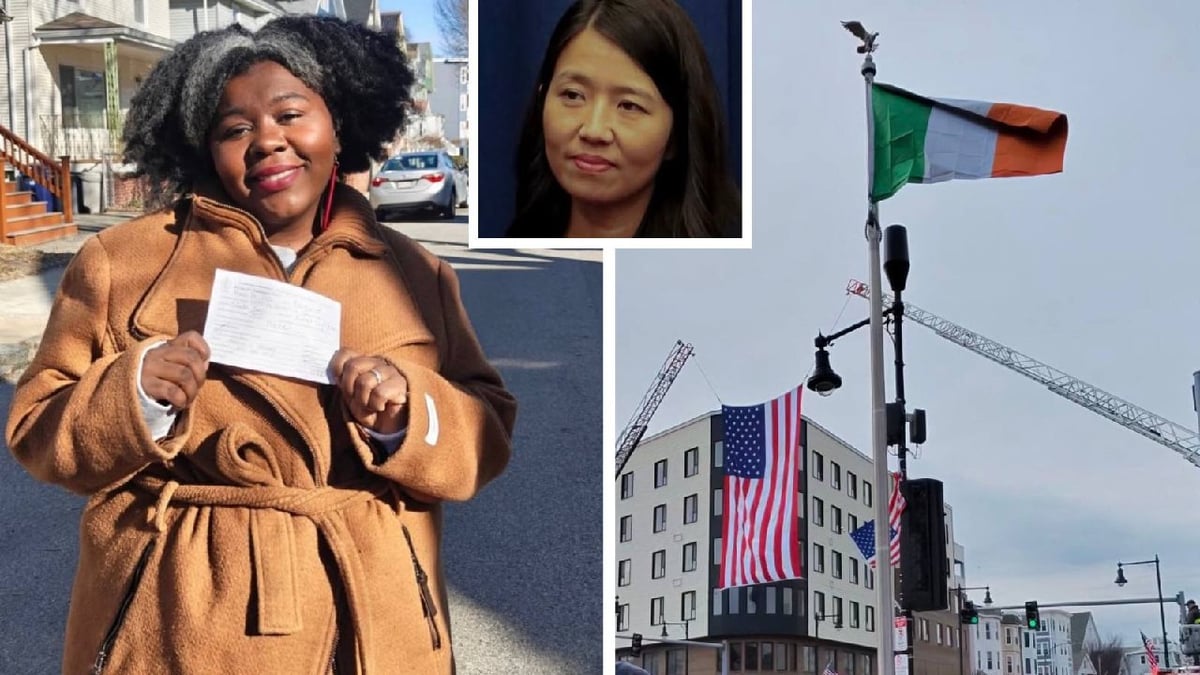
BOSTON — Mayor Michelle Wu's revenge plot is officially underway.
Latoya Gayle, a Dorchester mother of four turned far-left activist, has secured enough signatures to qualify for the ballot against state Senator Nick Collins in what's shaping up to be the most closely watched Democratic primary of 2026. The September race will determine who represents one of Boston's most important districts — spanning Dorchester, South Boston, Chinatown, and the South End — and everyone in Boston politics knows this is pure payback for the senator who torpedoed Wu's signature tax proposal in a humiliating 33-5 blowout vote last year.
Gayle's ballot qualification makes Wu's political warfare official. Her campaign reads like a Wu administration reunion. Her campaign manager, Maccon Bonner, worked for Wu ally Sharon Durkan, then got promoted to Wu's own administration in the Mayor's Office of Neighborhood Services. He quit his city job in February to manage Gayle's campaign against Collins.
The timing isn't coincidental. Political observers note the timing and connections raise questions about the organic nature of her candidacy.
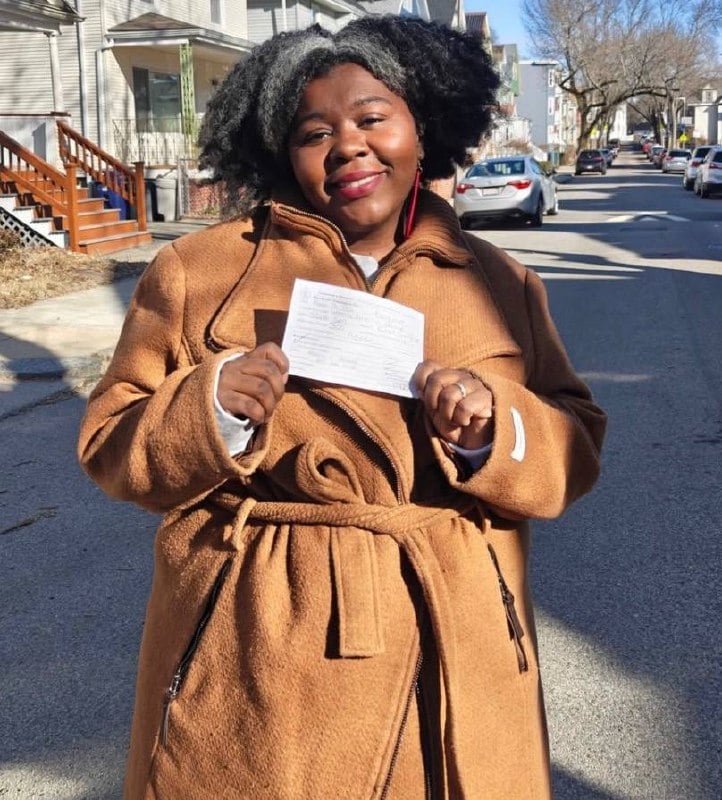
Gayle officially announces on her social media that she's collected enough signatures for the ballot. Credit: Instagram
What sparked this political warfare? Wu's property tax shift was doomed from the start — a desperate attempt to raise revenue that ran headfirst into a state senate that has grown tired of her demands. Senate leadership, reportedly including Senate President Karen Spilka, has soured on Wu after years of her grandstanding.
Collins and fellow senator William Brownsberger led the charge against Wu's tax grab, favoring rebates directly to taxpayers instead of enabling more spending. Wu responded predictably — by blanketing social media with attacks, desperately trying to pin blame for rising property taxes on Collins rather than taking responsibility for her own fiscal mismanagement and political isolation.
The result was a spectacular failure. Wu's legislation died in a humiliating 33-5 vote, a complete repudiation delivered by her own Democratic colleagues.
Two different approaches
This district has long valued working-class pragmatism — neighborhoods where supporting law enforcement is common sense, where community events bring people together instead of dividing them along ideological lines, and where politicians are judged on delivery rather than activism.
MASSDAILYNEWS
STAY UPDATED
Get Mass Daily News delivered to your inbox
ADVERTISEMENT · Interested in advertising?
ADVERTISEMENT · Interested in advertising?
Now Wu wants to send them Gayle, whose background reads like a far-left activist checklist. Her Instagram profile features "she/her/hers" pronouns prominently displayed, along with buzzwords about "affordability, sustainability, and expanded opportunity." Her police reform advocacy goes beyond typical policy tweaks — Gayle has publicly supported reallocating police funding to social services, questioning traditional law enforcement approaches that resonate across the district's working-class neighborhoods. Climate activism. Housing justice rhetoric.
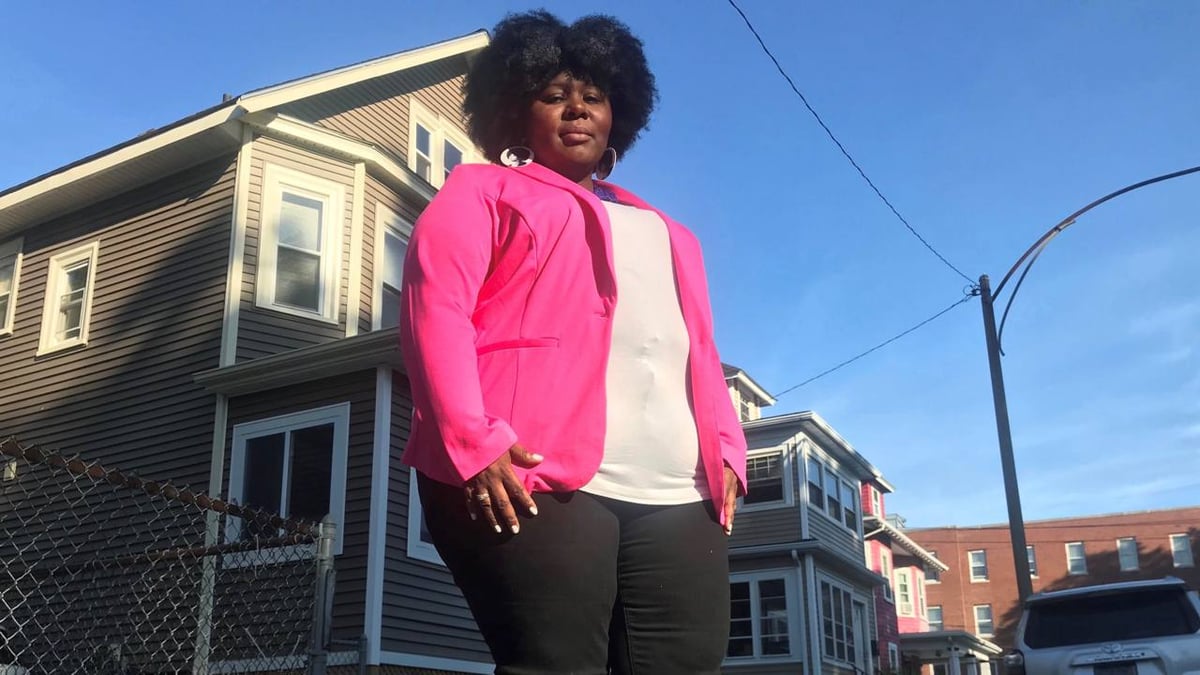
Gayle campaigns in her Dorchester neighborhood — a visual representation of the far-left activist style she brings to the traditionally working-class district. Credit: WGBH
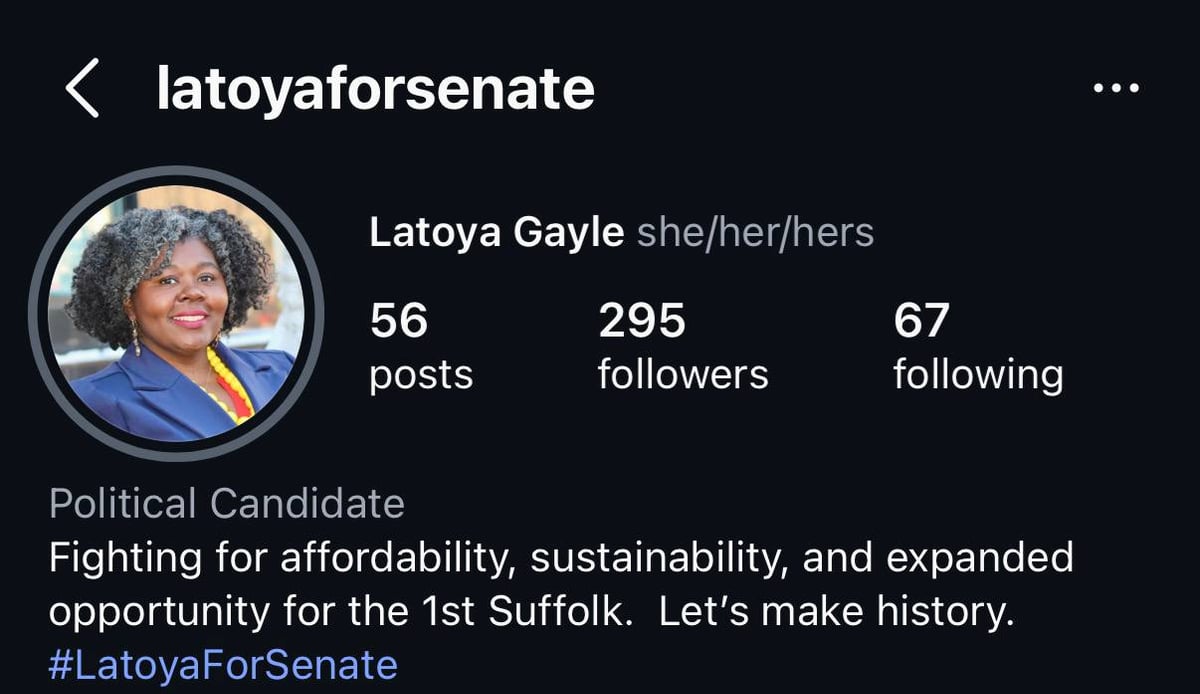
Gayle's Instagram profile features pronouns in bio and far-left buzzwords that signal a worldview foreign to the district's traditional values. Credit: Instagram
The contrast with Collins couldn't be sharper. Collins is a district native who grew up understanding these neighborhoods and hosts community events like the signature St. Patrick's Day breakfast that draws politicians from across the state. Gayle is making her first foray into the district's politics. Collins focuses on working family concerns like taxes and public safety. Gayle emphasizes far-left issues — climate justice, housing equity, and reallocating police resources to social programs.
Collins attends local events as a longtime resident. Gayle campaigns at local events as a candidate seeking office. Collins represents a neighborhood that values tradition and loyalty. Gayle represents far-left activists who see those traditions as areas for policy reform.
The Wu machine at work
So how does Wu respond to political humiliation? By seeking revenge. She spent months targeting Collins by name, trying to blame him for property tax increases that resulted from her own runaway spending. She ballooned Boston's budget by over $1 billion on pet spending projects, and when commercial revenues started cratering, she demanded new taxes instead of cutting spending.
When the state Legislature refused to bail her out, she needed scapegoats. Now, both Collins and Brownsberger — the two senators who killed her tax plan — face primary challenges from Wu-backed far-left candidates. The pattern is unmistakable.
ADVERTISEMENT · Interested in advertising?
ADVERTISEMENT · Interested in advertising?
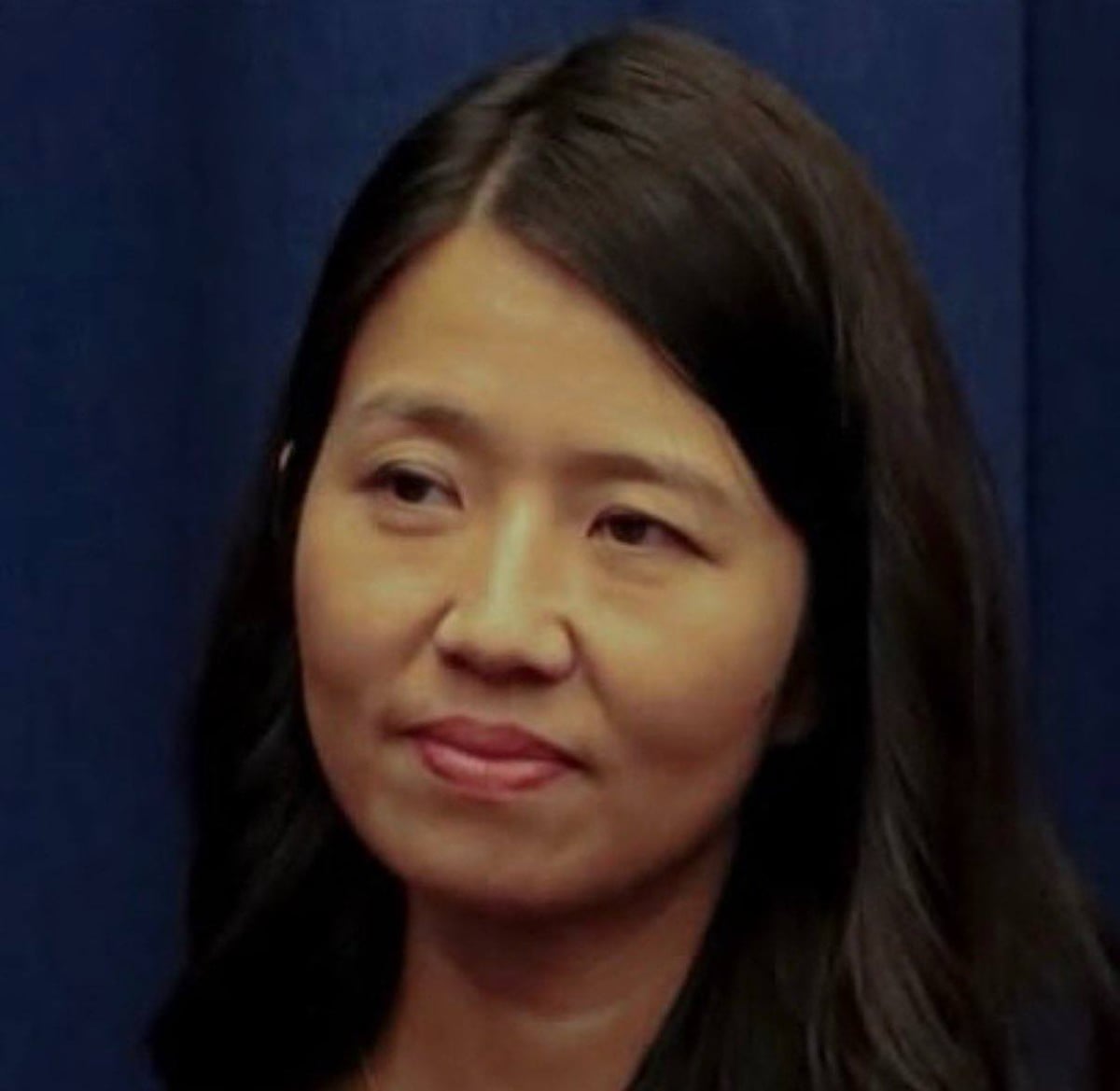
Mayor Wu's strategy: target senators who opposed her spending agenda with hand-picked far-left challengers.
But perhaps nothing crystallized this feud like the St. Patrick's Day breakfast earlier this month. Wu made a calculated snub — attending the parade but skipping Collins' breakfast, abandoning the mayor's traditional role at South Boston's most important political gathering. The message was clear: she couldn't stomach sharing a stage with the senator who embarrassed her.
Meanwhile, Collins hosted a standing-room-only crowd that included the governor, attorney general, and half of Congress.
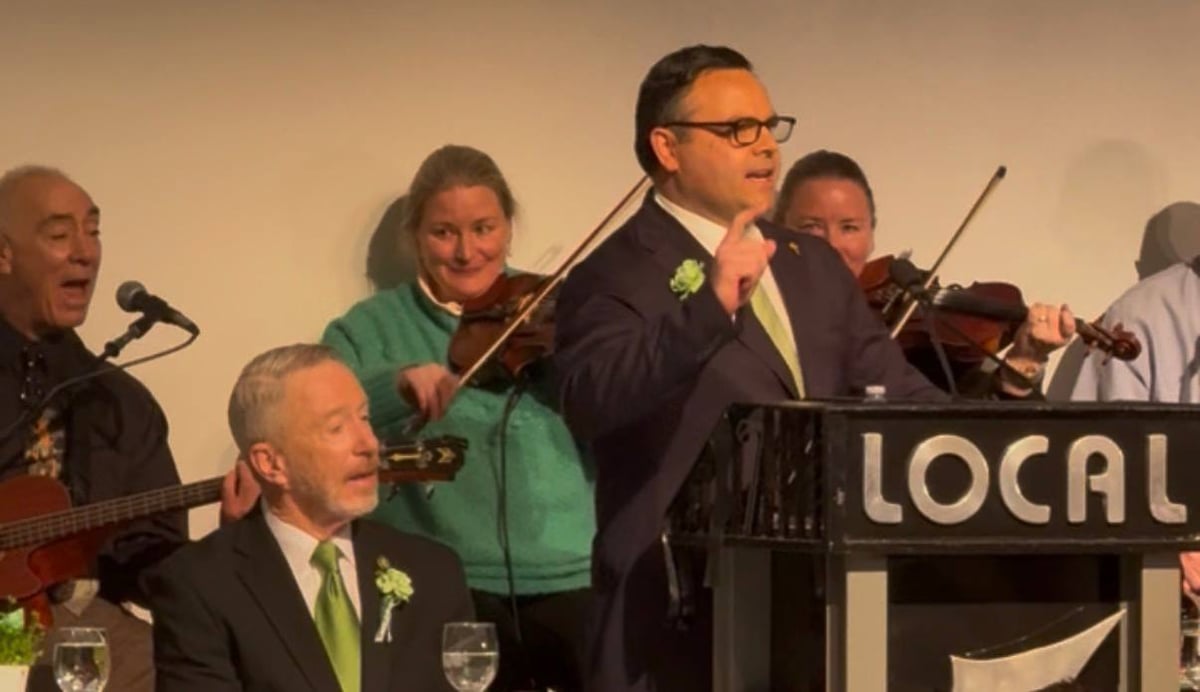
Collins hosts South Boston's St. Patrick's Day breakfast — the neighborhood's most important annual celebration that Wu ducked.
The contrast was stark: Wu absent from the breakfast while Collins hosted the traditional gathering. The dynamic was clear — Wu's pettiness versus Collins' presence.
September showdown
Collins has positioned himself as the defender of the district's traditional values — supporting police, attending community events, and opposing Wu's tax proposals. Gayle campaigns on Wu's far-left agenda — activist causes and policies that appeal to the far left but may cost working families more.
The race reflects a broader tension between working-class neighborhoods and the far-left movement that has gained influence at City Hall. Collins appeals to voters focused on jobs, public safety, and keeping taxes reasonable. Gayle targets voters who prioritize identity politics and social change over bread-and-butter concerns.
The September primary will determine whether district voters want continuity with Collins or change with Gayle — their longtime senator, or Wu's preferred candidate.
Loading Comments