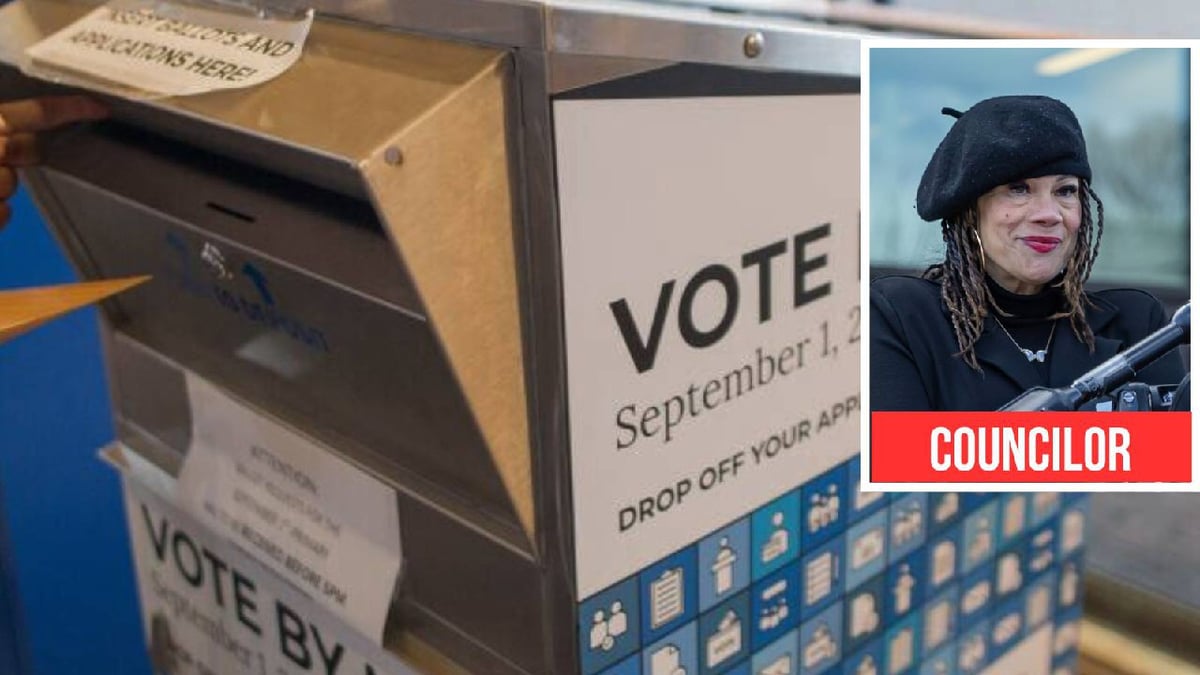
BOSTON — A Boston city councilor is reviving a plan to let foreign nationals vote in municipal elections, the second attempt in three years. And this time, it has even less support on the council floor.
Councilor Julia Mejia introduced a home rule petition Wednesday that would hand the vote to foreign nationals with "legal status," roughly 190,000 people, or about 28% of the city's population by her math.
They "do their fair share of heavy lifting," she told the Boston Herald, and are being shut out of "decisions that directly shape their schools, their public safety, and their daily lives."
Left unaddressed: how, exactly, Boston, a sanctuary city that [refuses to cooperate with federal immigration authorities](https://www.massdailynews.com/2025/11/19/mayor-wu-moves-to-dismiss-federal-lawsuit-challenging-bostons-sanctuary-city-policy-as-feds-claim-it-protects-undocumented immigrants) and has no system for checking anyone's immigration status, would make sure only people with legal status end up on the voter rolls. That little detail didn't make it into the petition.
Nearly half the council didn't want their name on it. Only seven of 13 members signed. Councilors Liz Breadon, Miniard Culpepper, Ruthzee Louijeune, Enrique Pepén, Henry Santana, Ben Weber, and Brian Worrell backed it. Councilors Ed Flynn, Gabriela Coletta Zapata, Sharon Durkan, John FitzGerald, and Erin Murphy took a hard pass.

Councilor Julia Mejia, who introduced the petition, said immigrants who aren't citizens 'do their fair share of heavy lifting' and should be able to vote in city elections.
Flynn wasn't having it
Flynn, a Navy vet, said what most people outside City Hall are probably thinking.
"I firmly believe the right to vote is a unique privilege reserved for U.S. citizens, including those who have gone through the extensive citizenship application process," he said. "It's critical that we maintain the faith of all neighbors in our electoral system."
MASSDAILYNEWS
STAY UPDATED
Get Mass Daily News delivered to your inbox
ADVERTISEMENT · Interested in advertising?
ADVERTISEMENT · Interested in advertising?
Four colleagues quietly agreed by keeping their pens in their pockets.
This didn't work last time, either
If this all sounds familiar, that's because the council already tried it. They passed a nearly identical petition in late 2023. Mayor Wu signed it. It went to the State House.
And then it died.

Councilor Ed Flynn, a U.S. Navy veteran, said the right to vote is 'a unique privilege reserved for U.S. citizens.'
Mejia knows this. She said it herself: the petition went "to the State House, where everything goes to die." Her solution? Send it again.
Last time, then-Councilor Michael Flaherty warned that foreign nationals could accidentally register for federal elections, which the petition wouldn't cover, and end up in serious legal trouble. Council President Liz Breadon cautioned that the mistake could torpedo an immigrant's shot at actual citizenship.
ADVERTISEMENT · Interested in advertising?
ADVERTISEMENT · Interested in advertising?
So to be clear: the council president signed a petition that she herself previously warned could blow up in immigrants' faces. Noted.
Why now?
Mejia says it's because immigrants are "facing increasing attacks, harmful rhetoric and fear" and need to "feel seen, valued, and protected."
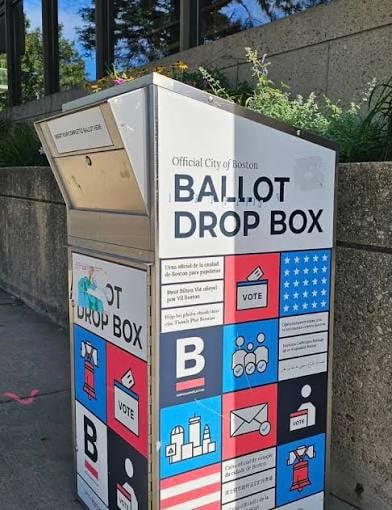
A City of Boston ballot drop box. The council wants to extend voting rights to foreign nationals with legal immigration status, but hasn't explained how it would check. (File photo)
The timing is interesting. Boston is currently being sued by the federal government over its sanctuary policies. The council just voted 9-4 to hide from the public whether denied ICE detainers involved actual criminals. And now they want to expand voting rights to people who aren't citizens, in a city that can't even tell you who has legal status and who doesn't.
Mejia rattled off some numbers: $2.3 billion in taxes, $6 billion in spending power. She pointed to Maryland, Vermont, San Francisco, and New York City as places that have done something similar.
The matter was referred to the Government Operations committee. And thanks to new council rules that bar debate on proposals not being voted on, Mejia was the only one allowed to speak. The other twelve councilors, including the five who refused to sign, sat there and said nothing.
Make of that what you will.
Loading Comments