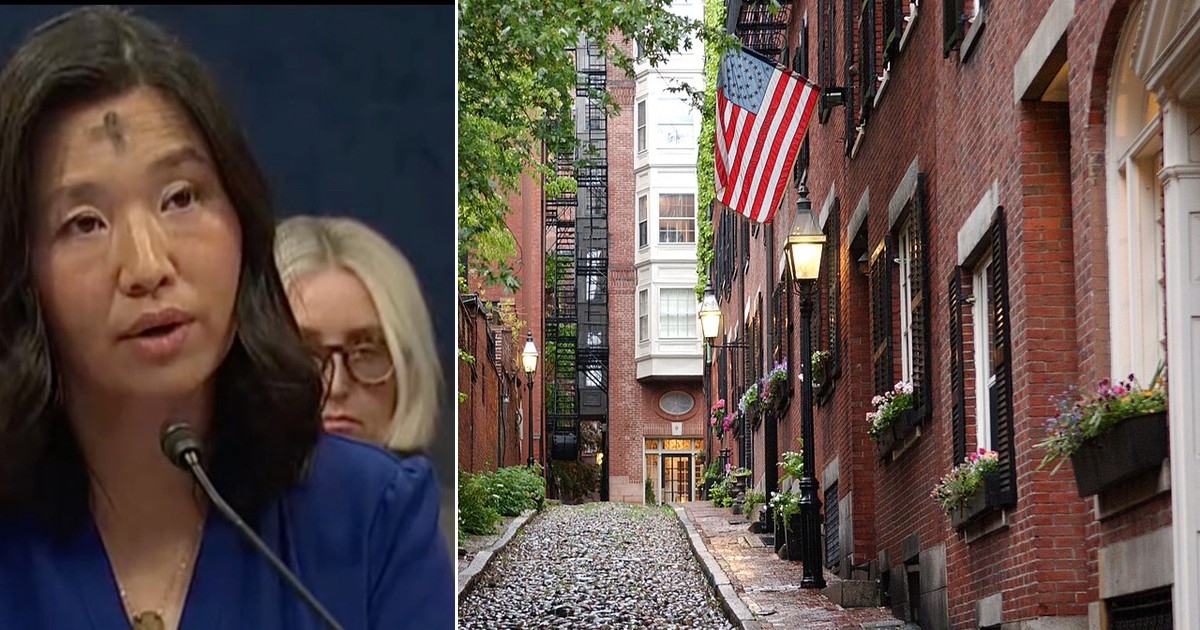
BOSTON — Rents are crashing across America. Los Angeles? Down 9.1%. Miami? Down 7.6%. Phoenix, Denver, Nashville — all tumbling. Landlords in half the country are practically begging for tenants.
And then there's Boston, where a one-bedroom apartment now costs $2,930 a month — up 3.5% from last year — in a city run by a mayor who won office by promising to make housing affordable.
That mayor is Michelle Wu. She's been in charge for four years. It is going spectacularly.
By the numbers
Zumper's January 2026 National Rent Report paints a picture so brutal it should come with a trigger warning for anyone currently apartment hunting on Craigslist.
The national median one-bedroom rent is $1,503. Boston's is $2,930. That's not a typo. Boston renters are paying nearly double what the average American pays — and the gap is getting wider.
Here's the leaderboard nobody in Boston wants to be on:
- New York City: $4,320/mo — up 0.9%
- San Francisco: $3,670/mo — up 16.1%
- Jersey City: $3,000/mo — down 2.6%
- Boston: $2,930/mo — up 3.5%
- San Jose: $2,670/mo — down 1.8%
- Miami: $2,430/mo — down 7.6%
Fourth most expensive city in America to rent a one-bedroom. And unlike nearly everyone else on that list, Boston is still climbing.
Everywhere else got the memo
Zumper CEO Anthemos Georgiades described the national rental market as "largely frozen right now, caught between elevated economic uncertainty and the normal seasonal slowdown." Translation: new apartments are finally being absorbed, supply is catching up to demand, and rents are cooling off.
This is happening almost everywhere. Only four cities posted year-over-year rent increases in January: New York, San Francisco, Chicago, and Boston.
San Francisco has an explanation — the AI boom is dragging tech money back to the Bay Area. New York is New York. Chicago's increase was marginal.
MASSDAILYNEWS
STAY UPDATED
Get Mass Daily News delivered to your inbox
ADVERTISEMENT · Interested in advertising?
ADVERTISEMENT · Interested in advertising?
Boston? Boston doesn't have an AI boom. It doesn't have a sudden tech gold rush. What Boston has is a housing shortage that its mayor promised to fix four years ago — and a set of policies that developers say have made the problem worse.
The policy that backfired
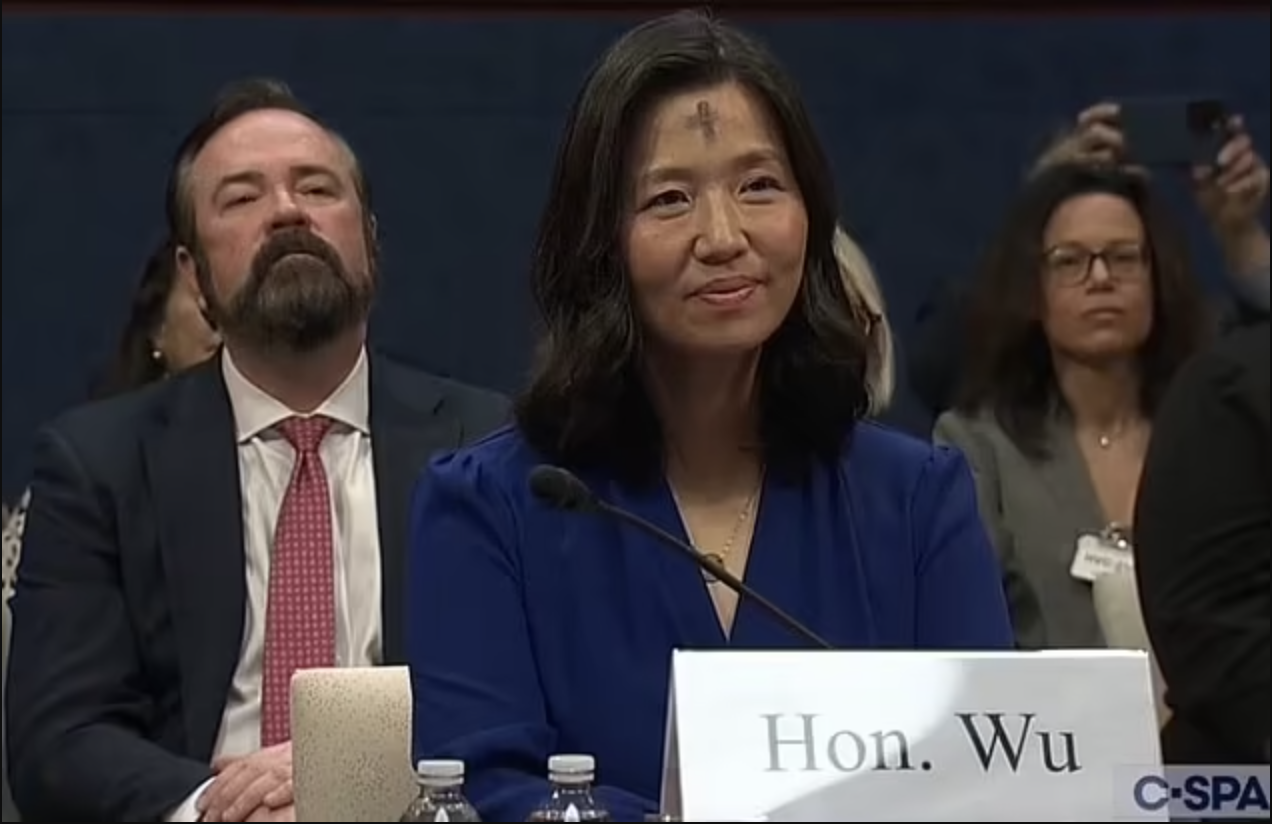
Mayor Michelle Wu campaigned on housing affordability. Four years later, Boston rents are climbing while the rest of America gets cheaper.
On her very first day in office, Wu signed an executive order on rent stabilization. It was a statement of intent: housing was going to be her thing. She promised to build more, protect renters, and make Boston livable for working families.
Her signature policy move was raising Boston's inclusionary development requirement from 13% to 20% — meaning developers now have to set aside a fifth of new units at below-market rates.
On paper, it sounds great. More affordable housing! Who could argue with that?
Developers, as it turns out. They argue that a 20% affordable mandate without offsetting the cost makes projects financially unworkable. So some projects simply don't get built. Fewer units get built. Fewer units means more competition. More competition means higher rents.
Housing construction in Boston has fallen to its lowest level since 2011. That's a 15-year low — under a mayor whose entire pitch was building more housing.
Wu got to announce an affordable housing mandate. Boston renters got a construction slowdown and a rent increase. Everybody wins, except the people who actually need an apartment.
What $2,930 buys you literally anywhere else
ADVERTISEMENT · Interested in advertising?
ADVERTISEMENT · Interested in advertising?
For the price of a one-bedroom in Wu's Boston, here's what you could be paying in the rest of America:
- Nashville: $1,500/mo — half the price, rents dropping
- Phoenix: $1,200/mo — less than half, down 7.7%
- Austin: $1,500/mo — barely moving
- Chicago: $2,000/mo — $930 cheaper, and it's the third-largest city in the country
Even HubSpot co-founder Brian Halligan — one of the most successful tech entrepreneurs in Massachusetts history — recently said the state is becoming "unlivable" as costs and taxes spiral. When a billionaire is publicly warning people that your state is too expensive, the people making $60,000 a year don't need a study to tell them what they already know.
The scoreboard
Four years of Michelle Wu:
- Rent: $2,930/mo (nearly double the national median)
- Construction: 15-year low
- Direction: Up, while the rest of the country goes down
- Campaign promise: "Make housing affordable"
LA renters are getting relief. Miami renters are getting relief. Denver, Phoenix, Nashville — all getting cheaper.
Boston? Getting more expensive, under a mayor who promised the exact opposite.
For the city's 300,000-plus renters, the promise of affordable housing remains exactly that — a promise. A very expensive one.
Loading Comments