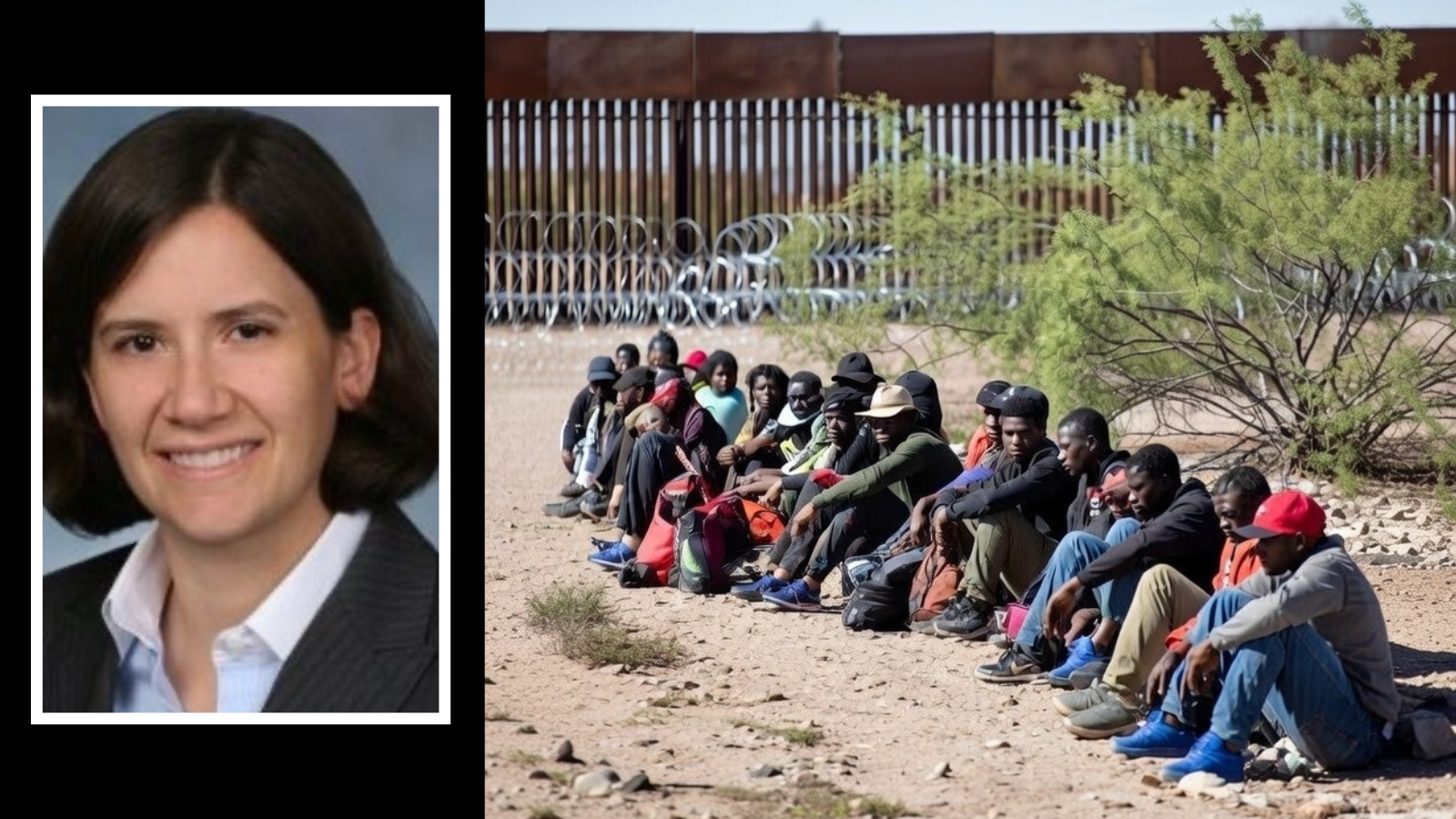
WASHINGTON DC— A Biden-appointed federal judge, Ana C. Reyes, has blocked the Trump administration from ending temporary legal protections for Haitian migrants, halting a move that would have removed work authorization and legal status from roughly 350,000 people living in the United States.
The ruling pauses the administration’s effort to terminate Temporary Protected Status for Haitians, a program originally created as a short-term humanitarian measure. The decision prevents the policy from taking effect while a lawsuit challenging the termination works its way through the courts.
MASSDAILYNEWS
STAY UPDATED
Get Mass Daily News delivered to your inbox
The Trump administration argued that TPS was never intended to function as a permanent residency program and that repeated extensions had effectively turned a temporary safeguard into a long-term immigration status without congressional approval. Officials maintained that immigration enforcement required clear limits and timelines, rather than indefinite renewals.
Opponents of the termination pointed to Haiti’s ongoing instability, including widespread gang violence and the collapse of basic government functions, arguing that conditions remain unsafe for large-scale returns. Judge Reyes ruled that the administration’s process raised legal concerns, including whether current conditions in Haiti were adequately considered before moving to end the program.
Many Haitians covered under TPS have lived and worked legally in the U.S. for years, forming families and establishing roots in American communities. Ending the program would have forced them to either leave the country, lose legal status, or face deportation.
The ruling does not permanently resolve the issue. It temporarily blocks enforcement while the court reviews the case, and the administration is expected to appeal, setting up a broader legal and political fight over the limits of executive authority in immigration policy.
For now, the decision keeps TPS in place and delays deportations, leaving the long-term future of the program—and the people covered by it—uncertain as the legal battle continues.
Loading Comments