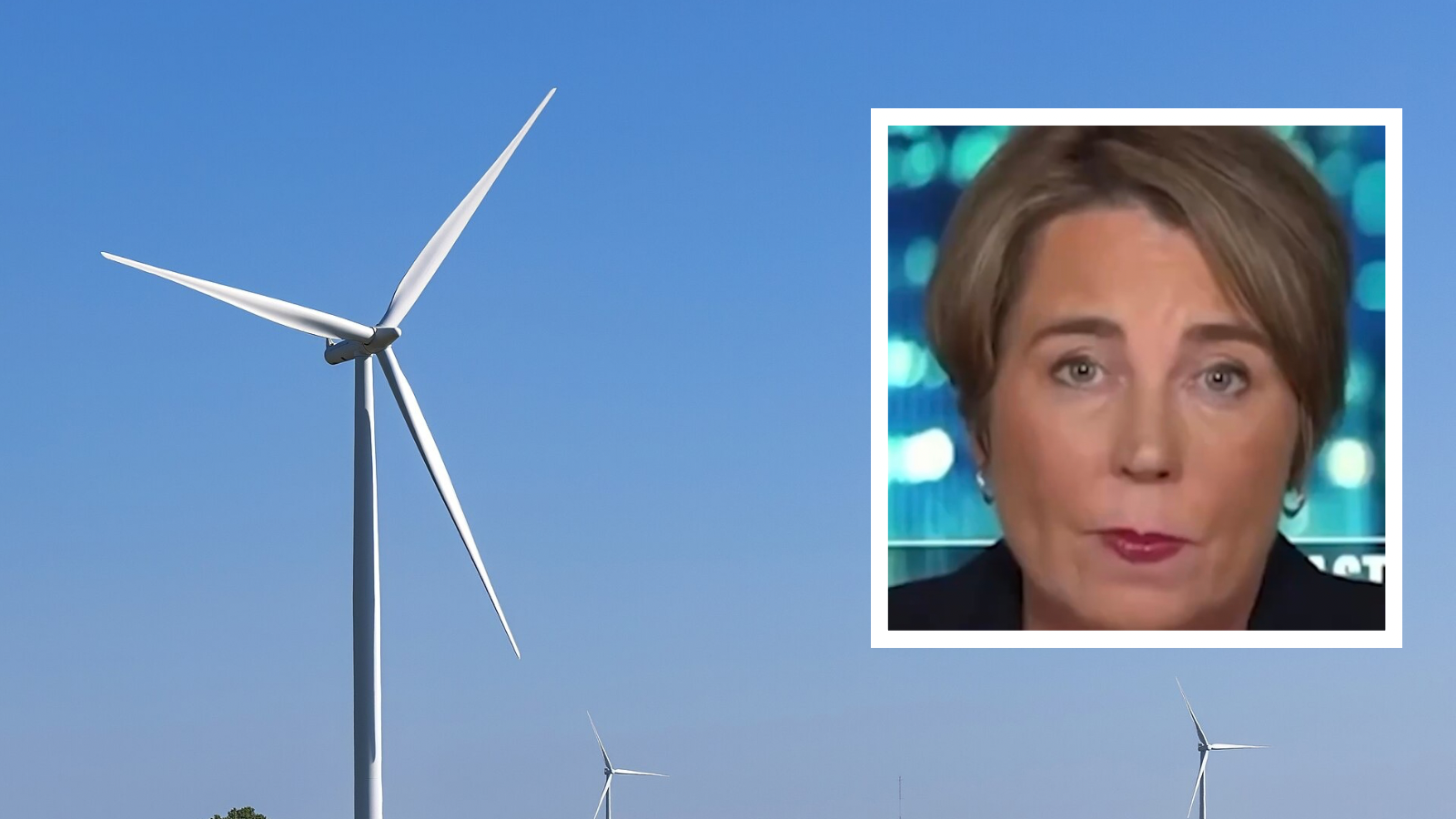
BOSTON — Governor Maura Healey is rolling out what her office is calling “winter savings” — a splashy plan meant to shave down energy bills for February and March — but the fine print has already triggered the obvious question: is this actually “relief,” or just the Commonwealth taking money out of one pocket and putting it back into the other?
Healey’s administration says the move would deliver roughly a 25 percent cut to residential electricity bills and about a 10 percent cut to natural gas bills for those two months, backed by a $180 million state-funded package. The pitch is simple: winter is brutal, bills are brutal, and people need a break.
MASSDAILYNEWS
STAY UPDATED
Get Mass Daily News delivered to your inbox
ADVERTISEMENT · Interested in advertising?
ADVERTISEMENT · Interested in advertising?
The backlash pitch is even simpler: if the money comes from a state “climate” pot, that’s not Santa — that’s taxpayers. And if it’s sourced from anything built up through charges, fees, or ratepayer-funded programs, that’s still the same public paying — just in a different format. Either way, the state is now congratulating itself for “saving” residents money with funding residents ultimately supplied.
And yes, the numbers are real — at least as the administration is advertising them. The plan is framed as immediate, short-term relief: not a long-term restructure of energy costs, not a reform of how Massachusetts buys power, and not a mea culpa on why bills are so high to begin with. It’s a two-month discount, underwritten by a big state check.
ADVERTISEMENT · Interested in advertising?
ADVERTISEMENT · Interested in advertising?
That’s why the “climate slush fund” label is catching fire: it sounds like Beacon Hill found a giant pile of money that was marketed to voters as “climate action,” then rebranded it as “winter savings” the moment bills got politically painful. The tone-deafness, critics argue, isn’t just the accounting — it’s the messaging. Residents don’t want an “announcement.” They want lower bills that don’t disappear when the press conference ends.
Supporters will say this is exactly what government is supposed to do: use public funds to buffer households against price spikes. Opponents will say it’s an election-season sugar rush — a temporary discount paid for by the same people getting the discount — with the added bonus of a feel-good headline about “savings.”
Either way, Massachusetts residents are left staring at the same reality: the state is promising to cut what you pay at the meter for a couple of months — while leaning on public money to do it.
Loading Comments