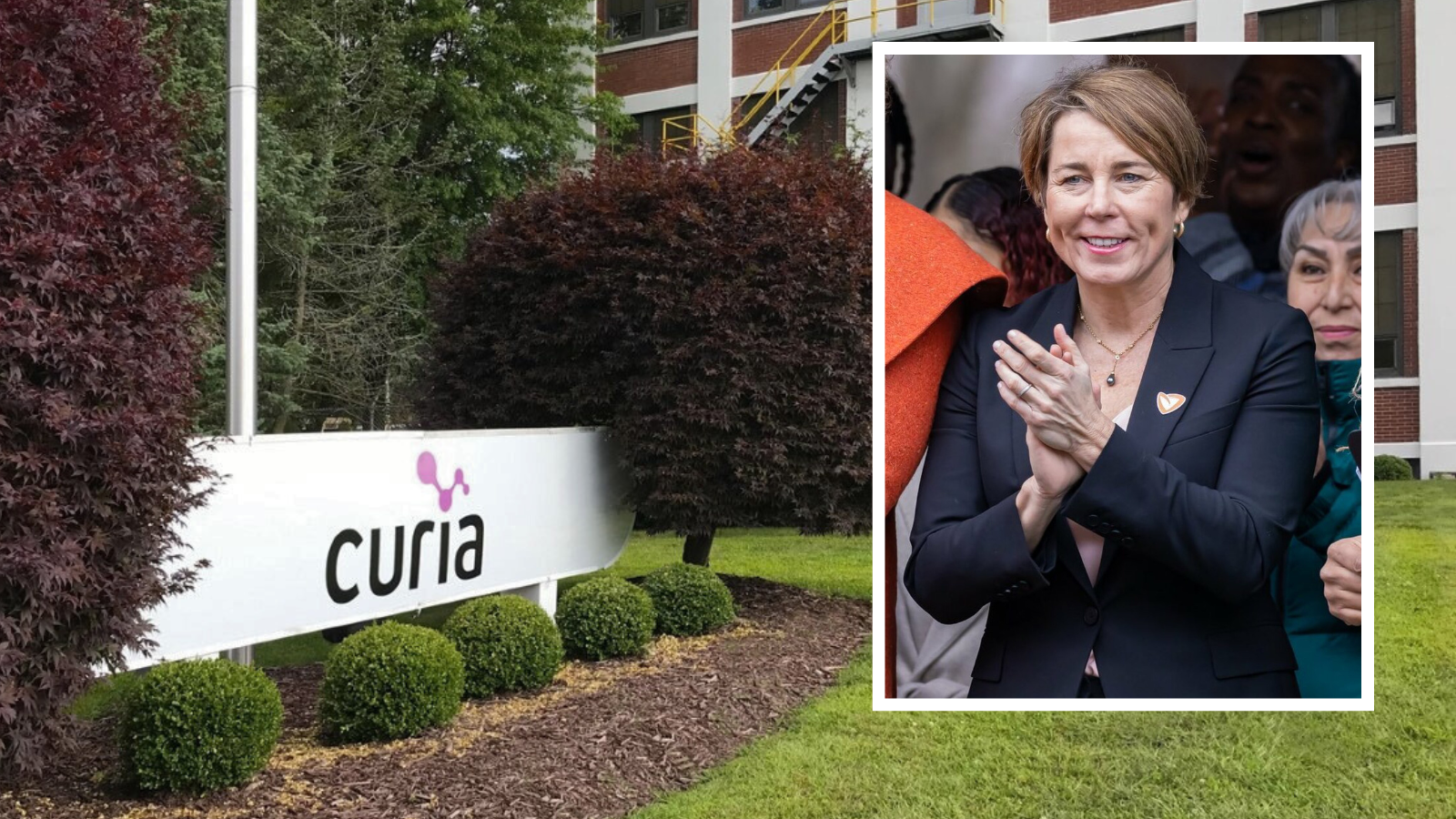
BOSTON — Beacon Hill just handed out the trophy. Now the jobs are gone.
Curia Global — an international pharmaceutical manufacturer that was publicly celebrated as “Manufacturer of the Year” at a high-profile ceremony at Gillette Stadium in October — is shutting down its Burlington manufacturing facility, a move that will eliminate 81 jobs. The closure is scheduled for March 10, according to a filing with the state under the Worker Adjustment and Retraining Notification (WARN) Act.
And the timing, critics say, is the whole point.
The Massachusetts Fiscal Alliance says the announcement was “quietly made on a Friday heading into a long holiday weekend,” even as lawmakers had recently lined up to praise Curia’s presence in Massachusetts’ vaunted life sciences economy.
“Three months ago, Beacon Hill politicians were lining up for photos and speeches celebrating this company,” said Paul Diego Craney, executive director of the Massachusetts Fiscal Alliance. “Now 81 Massachusetts workers are losing their jobs, and news of the exit of that same company was quietly announced on a Friday afternoon. That contrast says everything about the state of our business climate.”
MASSDAILYNEWS
STAY UPDATED
Get Mass Daily News delivered to your inbox
ADVERTISEMENT · Interested in advertising?
ADVERTISEMENT · Interested in advertising?
Curia’s Burlington operation specialized in sterile drug manufacturing — including vials and prefilled syringes used for late-stage clinical trials and commercial products — and has been part of the company’s global network since 2010, employing technicians, quality assurance specialists, and other skilled workers.
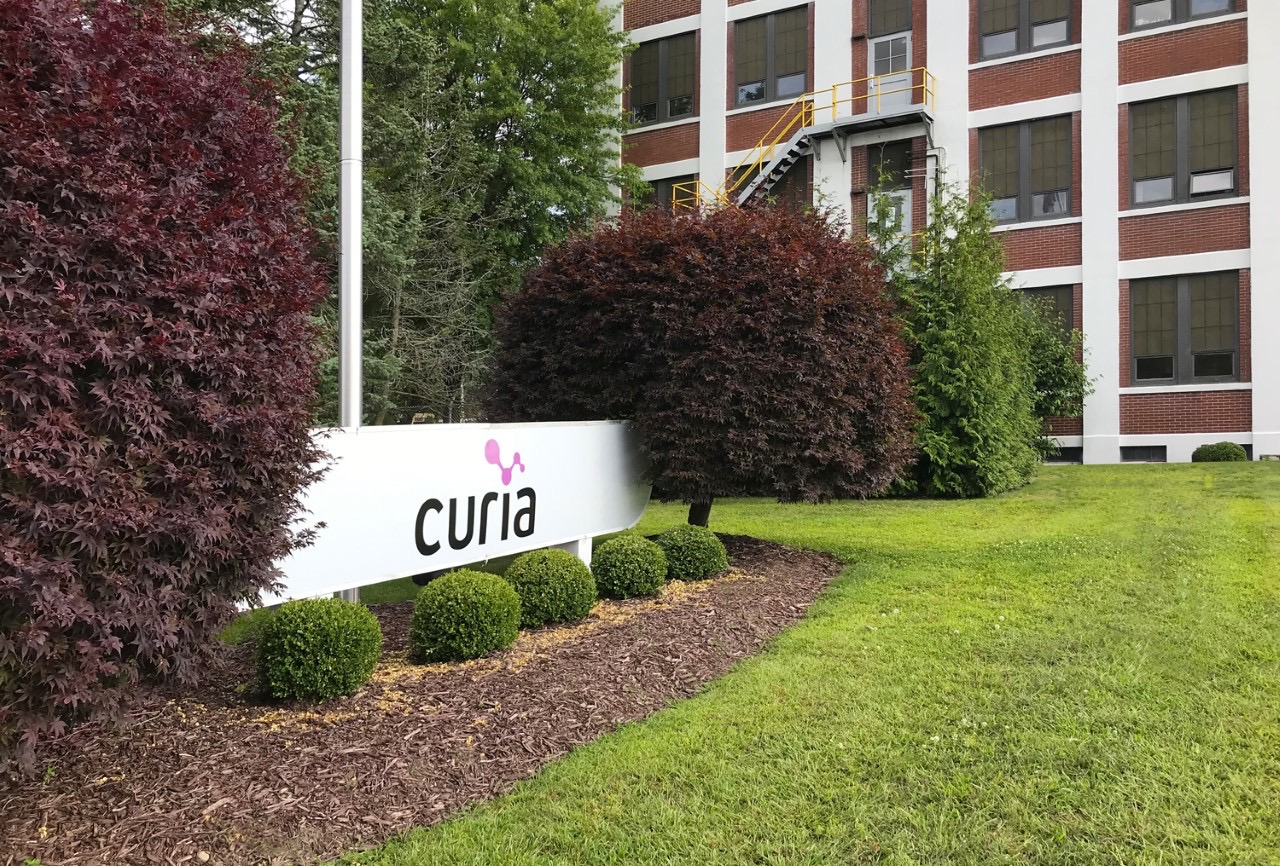
Curia Global’s Burlington facility — once held up as a life-sciences “success story” — is now slated to close, putting 81 jobs on the chopping block. Photo credit: Specialty Chemicals Magazine
But while the company hasn’t publicly detailed why the Massachusetts facility is being shut down, the Fiscal Alliance argues the story fits a familiar Massachusetts pattern: the press conferences and awards come first — the layoffs come later.
“When companies need to make cuts, Massachusetts always seems to be first on the list,” Craney said. “No number of awards or politician’s praises will change the bad business climate. High taxes, NetZero climate mandates, and a lack of competitive business culture at the State House continue to push employers out.”
ADVERTISEMENT · Interested in advertising?
ADVERTISEMENT · Interested in advertising?
The group’s broader jab is aimed at the Healey-era governing style on Beacon Hill: lots of announcements, lots of ceremonies, and not enough attention to what actually drives costs for employers trying to operate in the Commonwealth.
MassFiscal said the closure “raises serious questions about the effectiveness of Beacon Hill’s economic strategy,” accusing state leaders of leaning on symbolism while ignoring affordability pressures that hit payrolls and expansion plans.
“As much as they would like to, lawmakers can’t attract businesses with selfies, citations, and award ceremonies,” Craney said. “If Massachusetts wants to become competitive, it needs to focus on affordability, by repealing the NetZero by 2050 mandate, repealing the income surtax, reducing the state income tax, and reducing state spending. Otherwise, we’ll keep seeing the same story repeated. Celebrations one month, layoffs the next.”
The Massachusetts Fiscal Alliance, a watchdog group that advocates for fiscal responsibility, transparency, and accountability in state government and for increased economic opportunity in the Commonwealth, says the real victims aren’t the politicians who posed for the cameras — it’s the workers and families left holding the bag when “good-paying jobs disappear.”
Their warning to the State House is blunt: if Massachusetts keeps treating “business climate” like a photo-op issue, more closures won’t be a surprise — they’ll be the next chapter.
Loading Comments