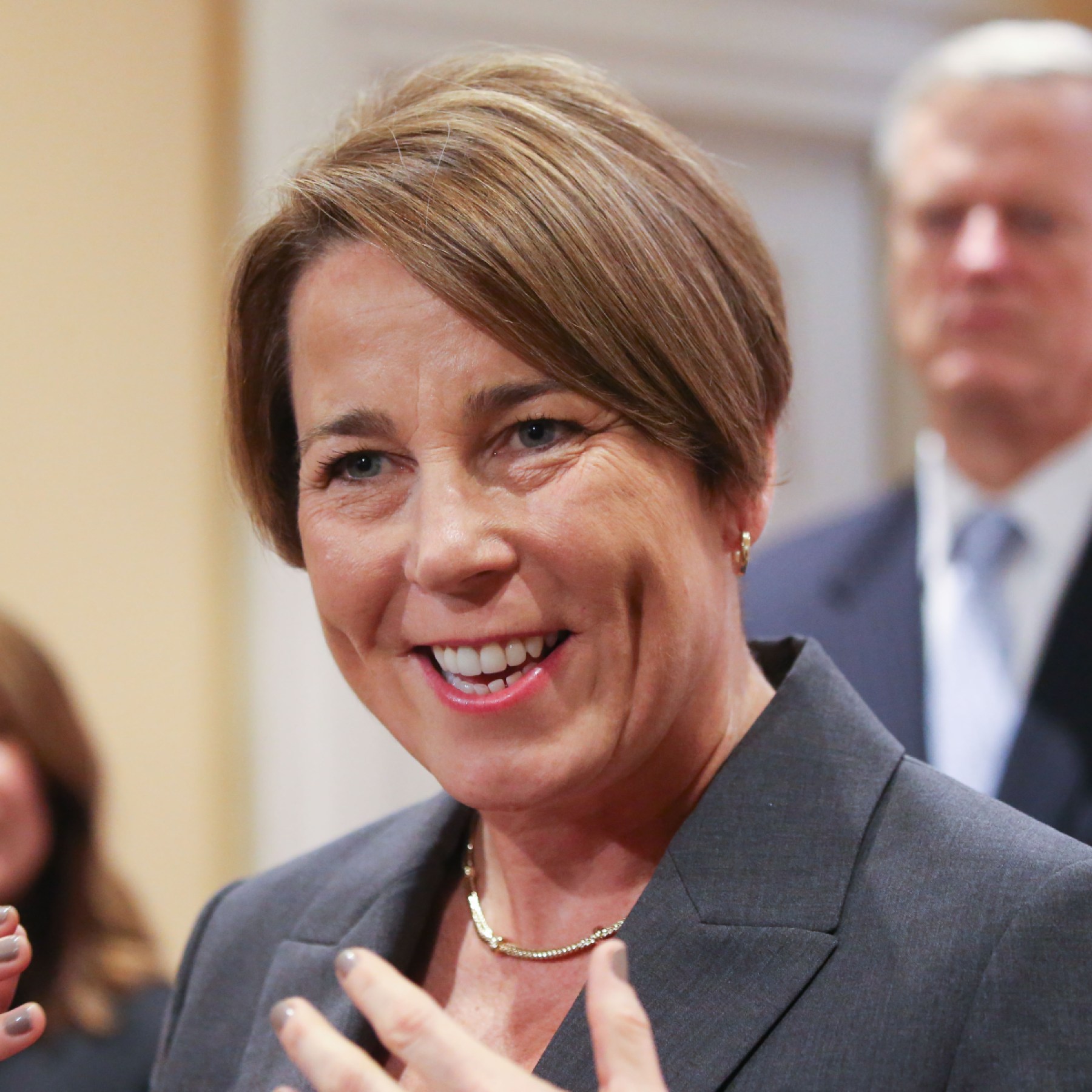
BOSTON — Massachusetts families just got a one-year “reprieve” from the state’s latest climate-era heating scheme, because Gov. Maura Healey’s administration quietly pushed back the rollout of the controversial “Clean Heat Standard” to 2028, safely past the 2026 election.
Translation: the policy that critics say could make heating bills jump won’t fully come due while voters are standing in line at the polls.
The Clean Heat Standard is one of Beacon Hill’s big climate plays aimed at shrinking emissions from buildings. The mechanics get wonky fast, but here’s the simple version: the state would require heating fuel suppliers to meet “clean heat” targets, often by buying credits tied to electrification and other approved measures. Opponents say those compliance costs don’t vanish into thin air. They get passed along to the same people who already flinch when the oil truck pulls up.
And that’s where the politics comes in.
Until recently, the program was expected to begin in 2027. Now it’s being pushed to 2028. That’s not a small tweak. It’s a full-year punt that neatly steps over the 2026 election calendar.
Cue the critics, who immediately grabbed the calendar and a highlighter.
MASSDAILYNEWS
STAY UPDATED
Get Mass Daily News delivered to your inbox
ADVERTISEMENT · Interested in advertising?
ADVERTISEMENT · Interested in advertising?
Massachusetts Fiscal Alliance, a conservative watchdog group, didn’t mince words. “If this policy were truly popular and affordable, the governor wouldn’t be pushing its implementation past an election,” said Paul Diego Craney, the group’s executive director.
Craney argued the administration knows “voters are already furious about energy costs” and doesn’t want to “answer for another mandate that is going to make heating your home drastically more expensive.”
The group also points to what it calls an independent analysis estimating the policy could add roughly $255 to $425 per household per year, though that figure is not an official state estimate and is contested in the broader debate.
Meanwhile, coverage of the shift has emphasized the same uncomfortable reality that follows these programs around like a shadow: if suppliers have to pay to comply, they can pass costs through, and families can feel it on their bills.
ADVERTISEMENT · Interested in advertising?
ADVERTISEMENT · Interested in advertising?
The administration’s side of the story is that this is about implementation and cost concerns, not politics. But critics hear that and respond with the kind of skepticism you only learn after years of watching Beacon Hill “study” things until the moment of impact is safely someone else’s problem.
And let’s be honest: there are few things more Massachusetts than a policy that is both “urgent” and somehow needs to be delayed until after Election Day.
Supporters will call the Clean Heat Standard necessary to hit climate targets and modernize home heating. Opponents will call it a stealth surcharge disguised as a standard, and they’re already branding it as too toxic to roll out when voters might actually notice.
Either way, the scoreboard is clear: the Clean Heat Standard is still on track, just not until 2028. And if the people running the program really believe it won’t hammer families, critics have a simple question.
Why wait until after the election?
Loading Comments