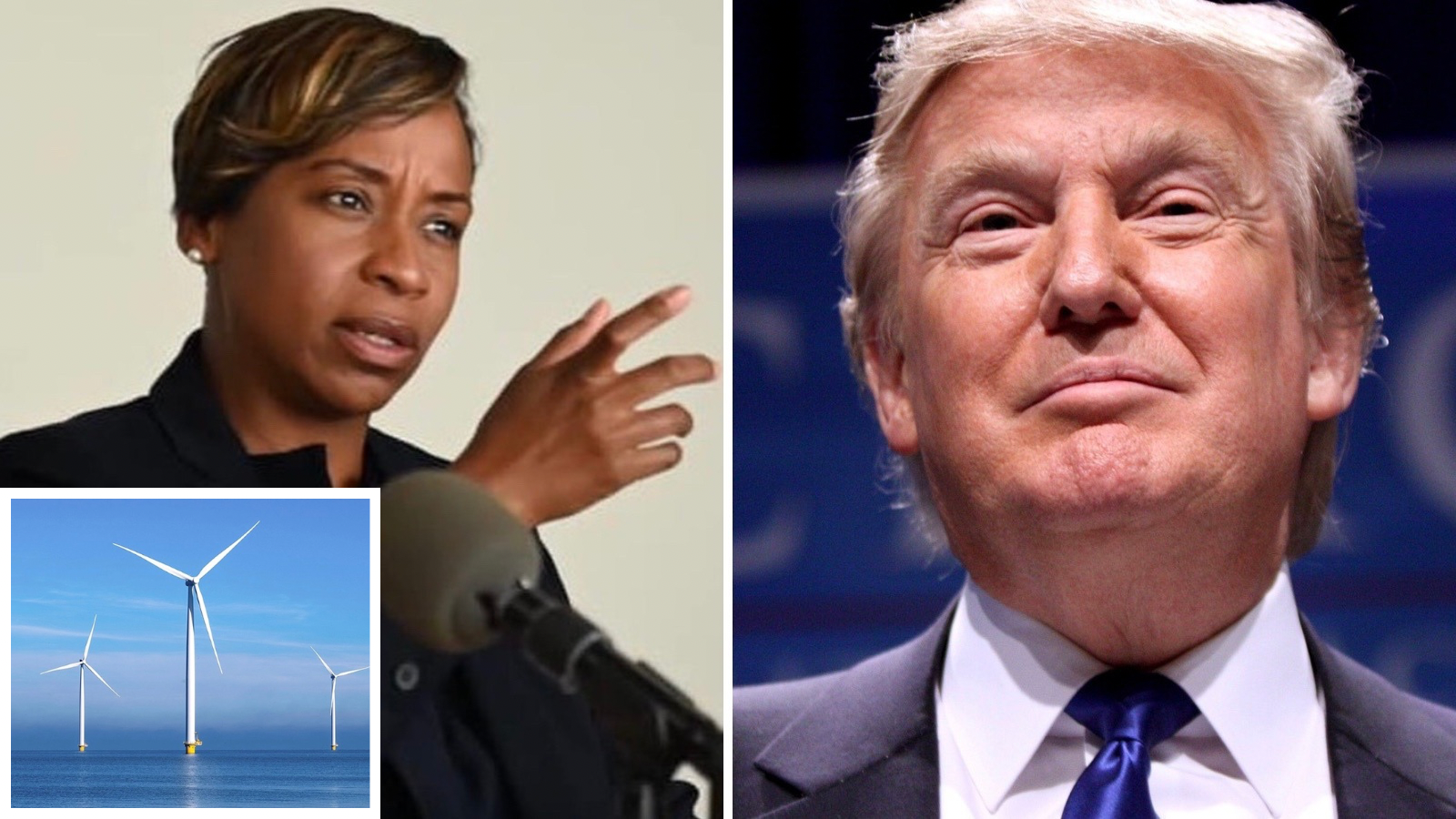
BOSTON — Massachusetts Attorney General Andrea Joy Campbell is blaming President Donald Trump for higher energy costs — arguing that what his administration is proposing would make it harder for Massachusetts to meet rising demand for energy, lower heating costs, hit climate targets, and create “thousands of good paying jobs.”
In a pair of posts on X, Campbell said the Trump administration’s actions would “prevent Massachusetts” from meeting energy demand and reducing heating costs. She also declared: “This office stands with the Vineyard Wind Project in this lawsuit.”
The problem: critics say Massachusetts Democrats have spent years building the kind of high-cost energy system where prices are already primed to jump — then turn around and point fingers at Washington when voters start screaming about their bills.
— AG Andrea Joy Campbell (@MassAGO) January 16, 2026To be clear: what the Trump Administration is proposing would prevent Massachusetts from meeting the rising demand for energy, lowering rising heating costs, advancing our climate goals, and creating thousands of good paying jobs.
Campbell’s claim: Trump is blocking cheaper energy
Campbell’s argument is straightforward: if offshore wind projects like Vineyard Wind are slowed or stopped, the region loses future supply — and families keep getting stuck with higher heating and electricity costs.
Her framing also leans heavily on jobs and climate politics, casting offshore wind as a dual-purpose project that can lower costs while “advancing our climate goals” and creating good-paying work.
What she’s backing: Vineyard Wind’s lawsuit
Campbell says her office is backing Vineyard Wind in a lawsuit challenging a federal stop-work/suspension order that halted activity tied to the project.
MASSDAILYNEWS
STAY UPDATED
Get Mass Daily News delivered to your inbox
ADVERTISEMENT · Interested in advertising?
ADVERTISEMENT · Interested in advertising?
Vineyard Wind is a major offshore wind development off Massachusetts that has been described as nearly completed. The company argues the suspension is costing it about $2 million per day and is seeking court intervention to lift the pause.
The counterpunch: Massachusetts wrote the rulebook for expensive energy
Critics say Campbell’s outrage is rich coming from a state run by Democrats who keep layering on mandates, restrictions, and “climate” compliance schemes that eventually land on ratepayers.
Their basic case goes like this:
- Massachusetts has aggressively pushed energy policy through a climate-first lens for years.
- Those policies carry real compliance and infrastructure costs.
- When costs rise, Beacon Hill and allied officials blame external villains — oil companies, utilities, or now Trump — instead of admitting the policy choices drive the price tag.
In other words: even if federal actions matter, critics say Massachusetts Democrats have already set the table for higher prices — then act shocked when dinner arrives.
The bigger fight: offshore wind as a political proxy war
ADVERTISEMENT · Interested in advertising?
ADVERTISEMENT · Interested in advertising?
The Vineyard Wind lawsuit is now part of a broader national battle over offshore wind. Democratic officials argue federal interference is arbitrary and economically destructive. The Trump administration, meanwhile, has pointed to concerns including national security and radar interference as justification for halting projects.
That sets up the central question: is the pause a legitimate safety and national security issue — or a political move to kneecap offshore wind?
The question voters will actually care about
Campbell is effectively telling residents: your energy future is being blocked by Trump.
Her critics are saying: Massachusetts’ energy reality has been engineered at home — by the same Democratic leadership now trying to pass the blame.
And in a state where families already flinch when the utility bill hits, the messaging war is simple:
If Beacon Hill’s climate agenda was supposed to lower costs, why are costs still rising?
For Massachusetts voters, the courtroom fight over Vineyard Wind may matter less than the bottom line: who’s responsible for the bills landing in their mailbox — and what’s going to make them cheaper.
Loading Comments