
BOSTON — A prominent Massachusetts tech founder is publicly warning that the Bay State may be losing what once made it a magnet for talent, innovation, and opportunity.
In a widely shared post, Brian Halligan, the co-founder of HubSpot, said he’s “starting to worry about Massachusetts,” pointing to crushing living costs, heavy taxes, slowing innovation, and a growing sense that the state is no longer attractive to the people it relies on most.
For many residents, the warning didn’t land as a shock. It felt like confirmation.

Brian Halligan, who founded HubSpot, warns rising costs and taxes are hollowing out Massachusetts
Massachusetts now ranks among the most expensive states in the country. According to the MIT Living Wage Calculator, the cost of living in the state is well above the national average, driven largely by housing, transportation, and food. In the Boston metro area, Zillow data shows median home values routinely exceeding $550,000, while average rents in many neighborhoods remain north of $2,500 per month.
For young workers, families, and would-be founders, the math often doesn’t work.
MASSDAILYNEWS
STAY UPDATED
Get Mass Daily News delivered to your inbox
ADVERTISEMENT · Interested in advertising?
ADVERTISEMENT · Interested in advertising?
— Brian Halligan (@bhalligan) January 2, 2026I’m starting to worry about Massachusetts
1. Biotech is way off from a few years ago
2. Only 1 of the top 50 ai companies are in MA
3. The Fed research funding cuts hitting MIT, Harvard, Whoi are brutal.
4. The millionaires tax is working in the short run, but I know a lot of…
Taxes add another layer of pressure. WalletHub consistently places Massachusetts among the states with the highest overall tax burden when income, property, and sales taxes are combined. The state’s additional surtax on high earners has raised revenue, but Halligan acknowledged what many quietly say out loud: it may work in the short term, but over time it risks pushing wealth, investment, and talent elsewhere.
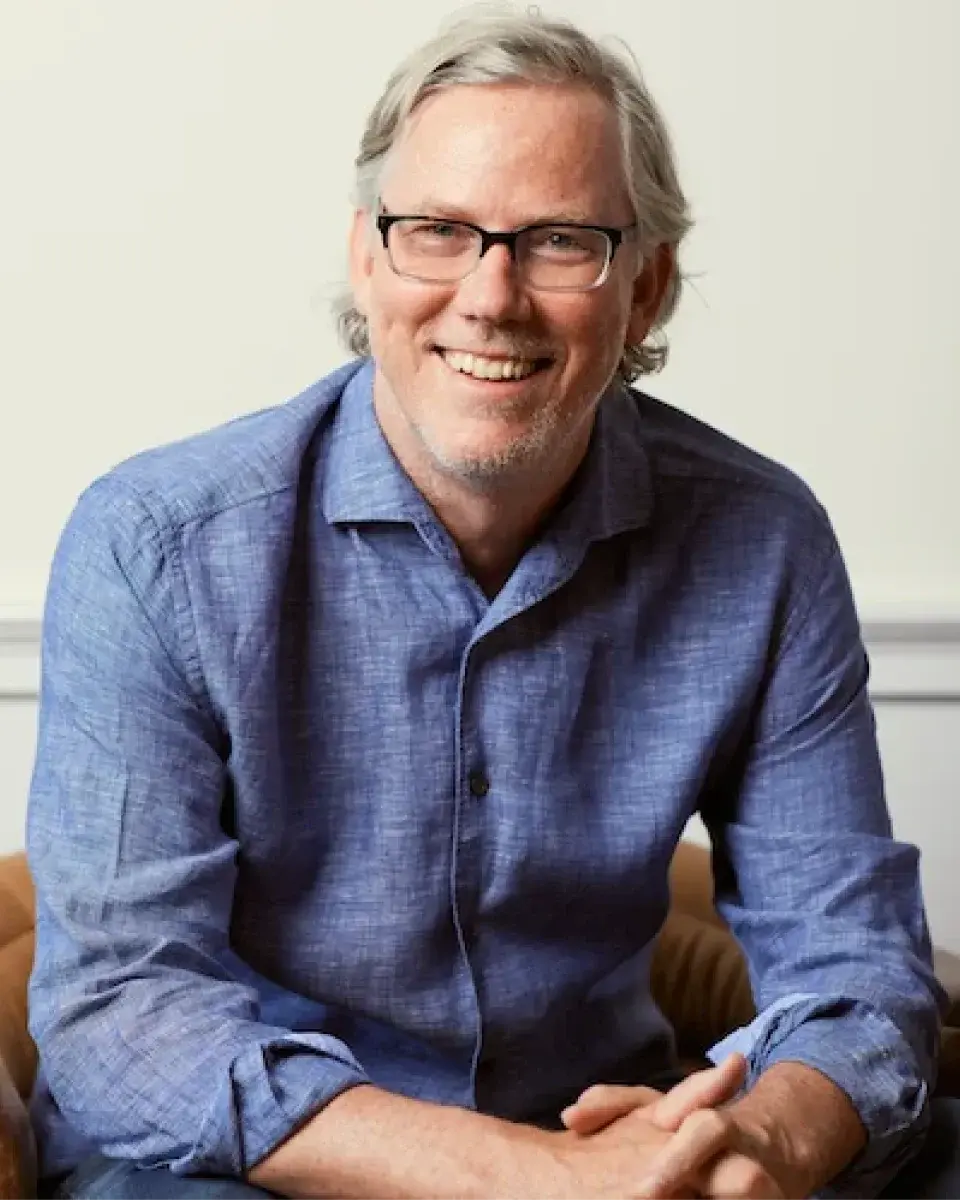
HubSpot founder Brian Halligan: ‘I’m starting to worry’
Lower-tax states like Florida continue to see inbound migration, while Massachusetts has recorded net domestic out-migration in recent Census estimates, particularly among working-age adults.
Innovation, long the state’s calling card, is also showing signs of strain. Biotech funding has cooled sharply since its pandemic-era highs. Venture capital investment and startup formation have slowed, leaving vacant lab space and fewer blockbuster deals than just a few years ago.
ADVERTISEMENT · Interested in advertising?
ADVERTISEMENT · Interested in advertising?
On artificial intelligence, the defining tech race of the next decade, Massachusetts is struggling to keep pace. Industry rankings of the top AI companies show the overwhelming majority headquartered elsewhere, with the Bay State capturing only a small share of the sector’s leaders — a troubling sign for a state built on research and talent.
Halligan also pointed to something harder to measure but easy to feel: culture. Boston, he suggested, is no longer seen as “cool” or accessible for young people starting out. High rents, high taxes, and limited upside make it difficult to take risks, launch companies, or build a future.
Even Halligan conceded that many of these challenges are structural and not easily solved by state or city government. Housing construction and infrastructure repairs may help at the margins, but they won’t fix the underlying affordability squeeze.
For years, Massachusetts has leaned on its reputation as an elite, self-sustaining innovation hub. Now, insiders are openly questioning whether that edge is slipping.
And when one of the state’s most successful tech founders says he’s starting to worry, it’s a warning Beacon Hill can’t afford to ignore.
Loading Comments