
LAWRENCE, MASS. — Just days after a courtroom clip of him requesting a Spanish interpreter went viral, Brian De Pena is facing renewed scrutiny over comments made in a YouTube video describing how he first came to the United States.
De Pena said he arrived “en yola,” a Caribbean Spanish term with a very specific and widely understood meaning. A yola refers to a small, flimsy wooden boat commonly associated with illegal maritime crossings, particularly dangerous journeys made without visas, inspection, or entry through a U.S. port.

A yola — a small, flimsy wooden boat commonly used for illegal Caribbean crossings. U.S. officials have intercepted multiple yola vessels over the years, particularly along routes from the Dominican Republic toward Puerto Rico, a dangerous maritime path often used to evade inspection at U.S. ports of entry. (image: X)
There is no lawful immigration pathway that involves arriving “by yola.” Under U.S. immigration law, legal entry requires inspection and admission or parole at a designated port of entry. A clandestine landing by small boat does not meet those requirements, even if a person later regularizes their immigration status.
MASSDAILYNEWS
STAY UPDATED
Get Mass Daily News delivered to your inbox
ADVERTISEMENT · Interested in advertising?
ADVERTISEMENT · Interested in advertising?
The resurfaced remark has collided with last week’s viral courtroom moment, in which De Pena requested an interpreter during official proceedings. That clip spread rapidly online, reigniting debate over language use, leadership expectations, and public accountability for elected officials.
Supporters of the mayor frame his story as a rags-to-riches immigrant success narrative — a man who arrived with little and rose to lead one of Massachusetts’ largest Gateway Cities. Critics argue the contrast between the viral interpreter moment and his description of arriving via a route linked to illegal crossings raises uncomfortable questions about standards and symbolism in public office.
Lawrence, a majority-Latino city with a long history of heated local politics, has often been at the center of statewide debates over immigration, governance, and municipal oversight. De Pena was first elected mayor in 2021 and later won reelection, positioning himself as a populist figure aligned with the city’s working-class base.
ADVERTISEMENT · Interested in advertising?
ADVERTISEMENT · Interested in advertising?
However one chooses to interpret the moment, the juxtaposition is stark: the mayor describes arriving on a boat used for illegal crossings — and today, he runs City Hall in Lawrence.
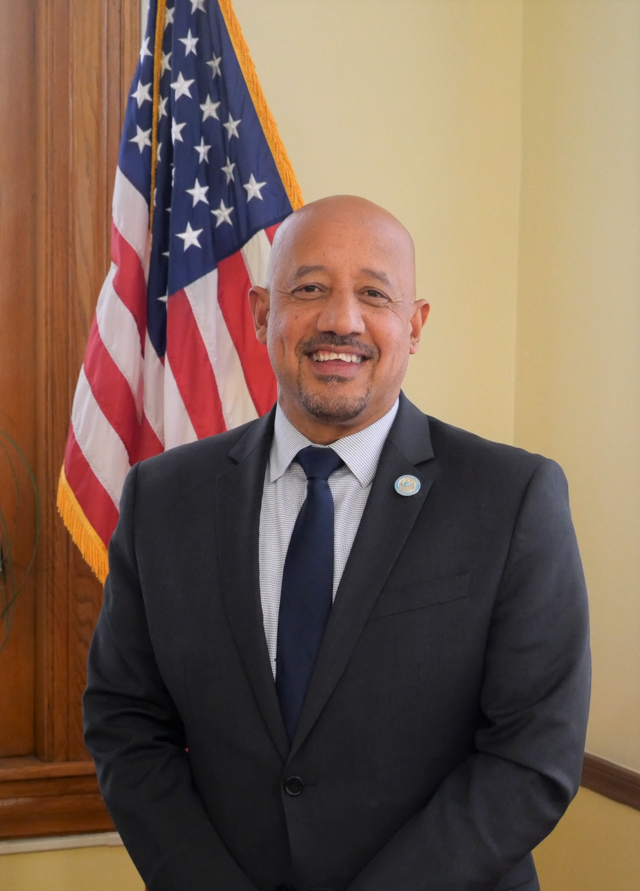
From yola to City Hall: Brian De Peña’s rise from arriving on a boat linked to illegal crossings to becoming mayor of one of Massachusetts’ largest cities.
As the clip continues circulating online, the episode underscores how past remarks can quickly resurface during viral moments, reshaping political narratives far beyond their original context.
Loading Comments