
BOSTON—Federal prosecutors say a Dominican national lawfully residing in Worcester used stolen Social Security cards and fabricated identities — including that of a deceased person — to scam Massachusetts taxpayers out of more than $137,000 in COVID-era emergency rental assistance.
According to a federal indictment, 35-year-old Felix Mercedes-Castillo allegedly carried out the scheme between October 2021 and August 2022 by submitting fraudulent applications to the Emergency Rental Assistance Program, a federal initiative created during the pandemic to help struggling households pay rent. Prosecutors say Mercedes-Castillo falsely claimed the applicants were landlords and tenants of Massachusetts rental properties facing financial hardship, when in reality they were neither.
MASSDAILYNEWS
STAY UPDATED
Get Mass Daily News delivered to your inbox
ADVERTISEMENT · Interested in advertising?
ADVERTISEMENT · Interested in advertising?
Federal court records allege the applications were backed by stolen identifying documents, including Social Security cards. In one instance, prosecutors say Mercedes-Castillo claimed rent was owed to a landlord who had been dead for more than a year. As a result of the alleged misrepresentations, emergency rental assistance checks were issued and mailed, then collected and kept by Mercedes-Castillo rather than going to eligible renters.
Mercedes-Castillo has been indicted on five counts of theft of government money and three counts of aggravated identity theft. He is currently serving a state prison sentence on unrelated charges and is expected to appear in federal court in Worcester at a later date. If convicted, the identity theft charges alone carry mandatory prison time in addition to penalties tied to the fraud counts.
ADVERTISEMENT · Interested in advertising?
ADVERTISEMENT · Interested in advertising?
The case comes as federal authorities nationwide continue to unwind pandemic-era fraud schemes years after COVID relief programs were rolled out at record speed. Similar prosecutions have drawn national attention in Minnesota, where large-scale COVID relief fraud cases tied to nonprofit food programs have resulted in dozens of indictments and convictions, fueling public scrutiny over how taxpayer funds were distributed and monitored during the pandemic.
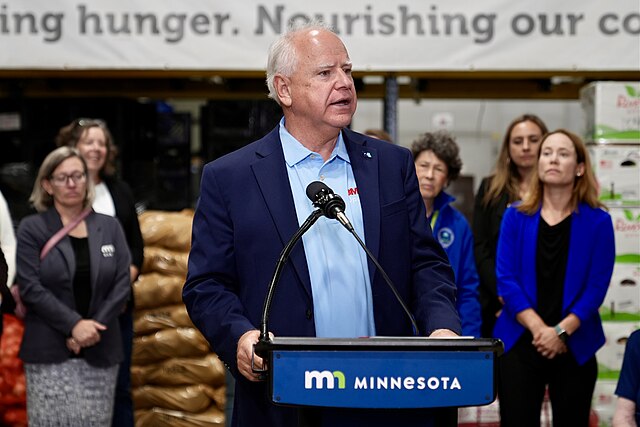
As federal prosecutors unravel COVID relief fraud in Massachusetts, similar pandemic-era scams in Minnesota — uncovered under Gov. Tim Walz’s administration — have already exposed how weak oversight left taxpayer-funded programs vulnerable nationwide.
While prosecutors emphasize that each case involves alleged wrongdoing by individuals, the Massachusetts indictment adds to a growing list of cases highlighting how emergency programs designed for speed and compassion were later exploited — and are now being examined in federal courtrooms long after the pandemic has ended.
Loading Comments