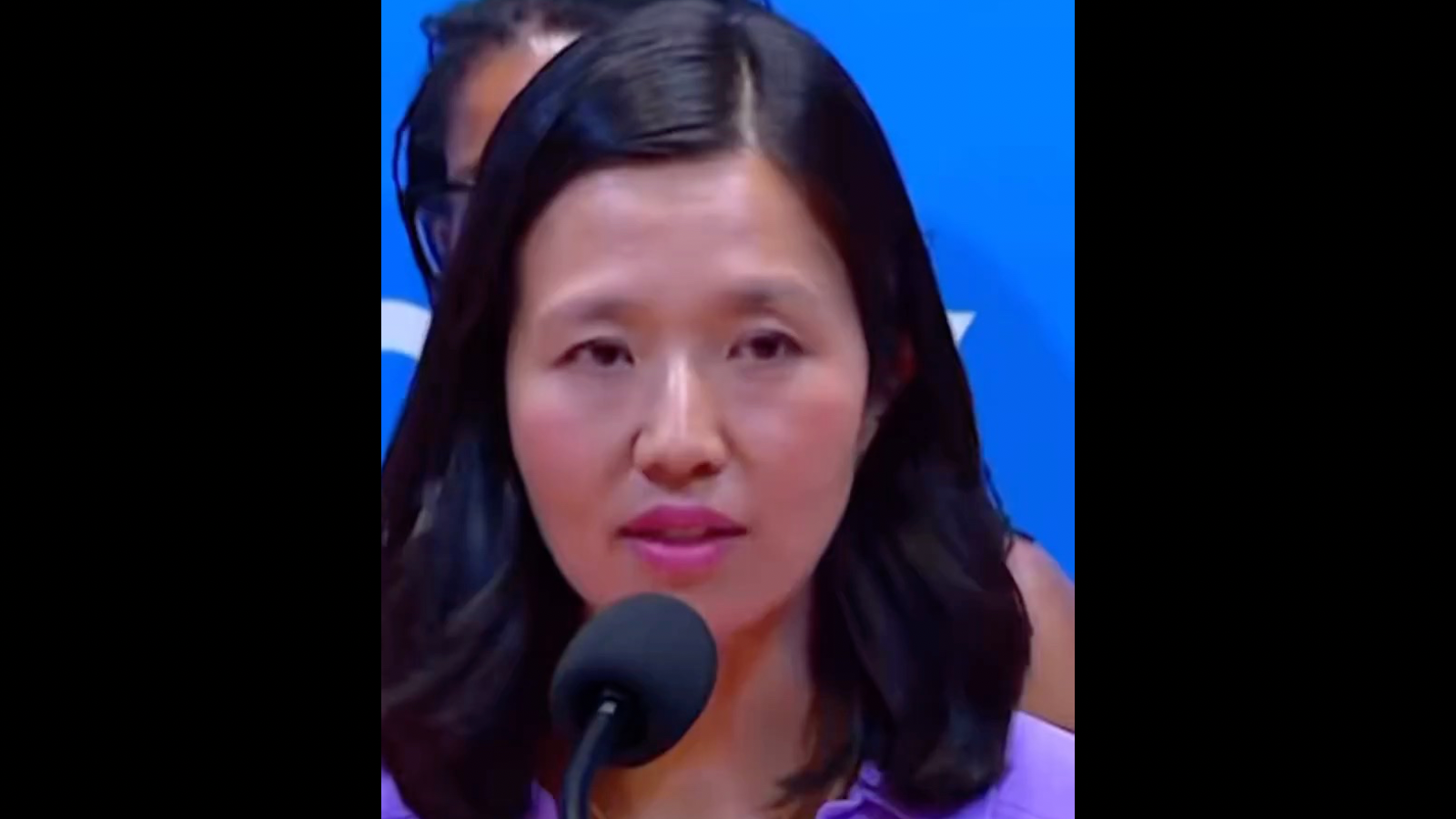
Mayor Michelle Wu has officially quit X, leaving behind what functions as Boston’s most open and democratic digital town hall. There was no announcement and no explanation. One account is protected. Another is inactive. The mayor simply removed herself from the one civic space where disagreement cannot be managed away.
X is where Boston’s politics actually breathe. It is where business leaders, union voices, neighborhood activists, public safety officials, journalists, and ordinary residents argue policy in real time. No filters. No pre-approval. No curated calm. It is a participatory space, open to anyone willing to engage. And for an elected official, participation is not optional.
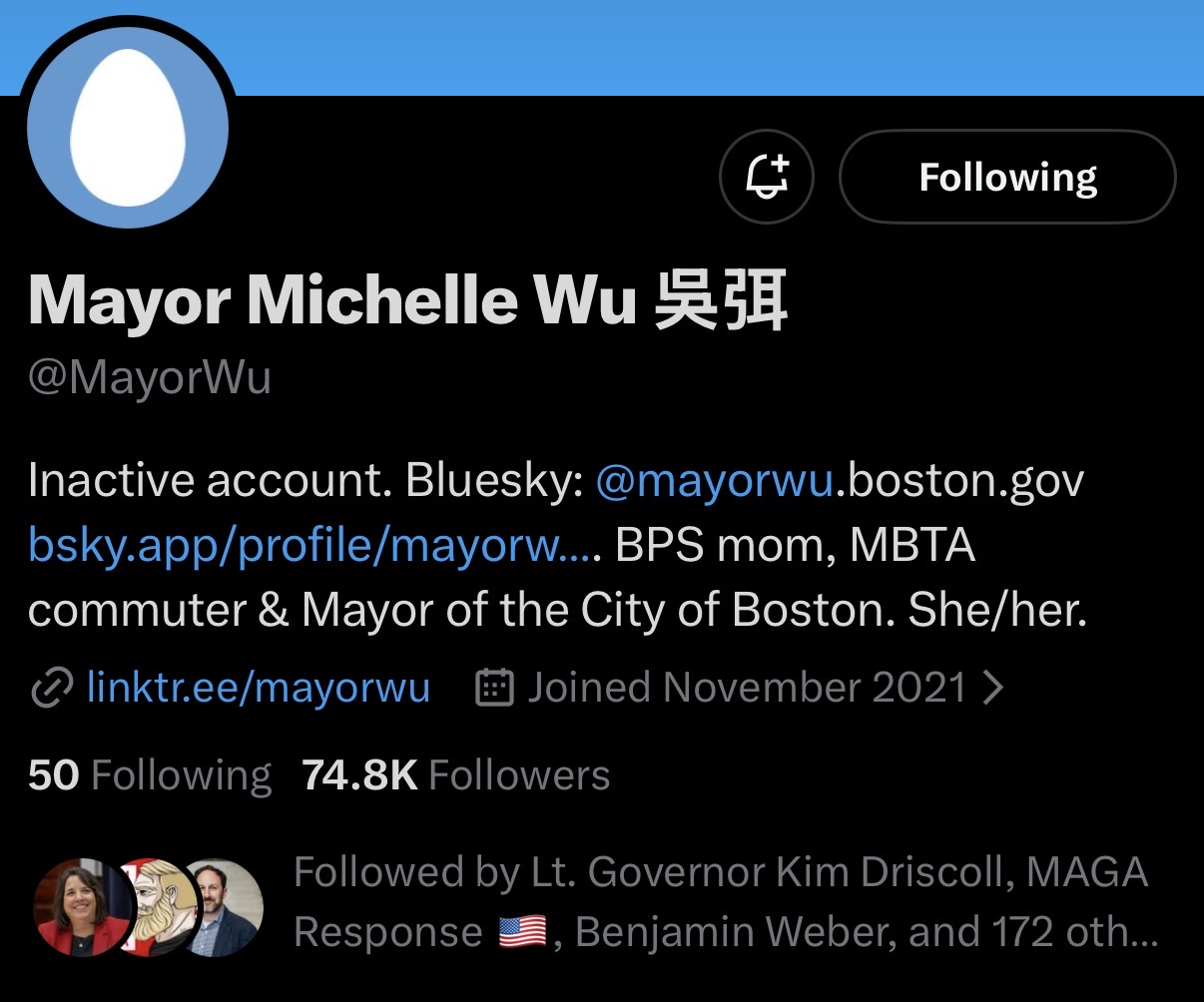
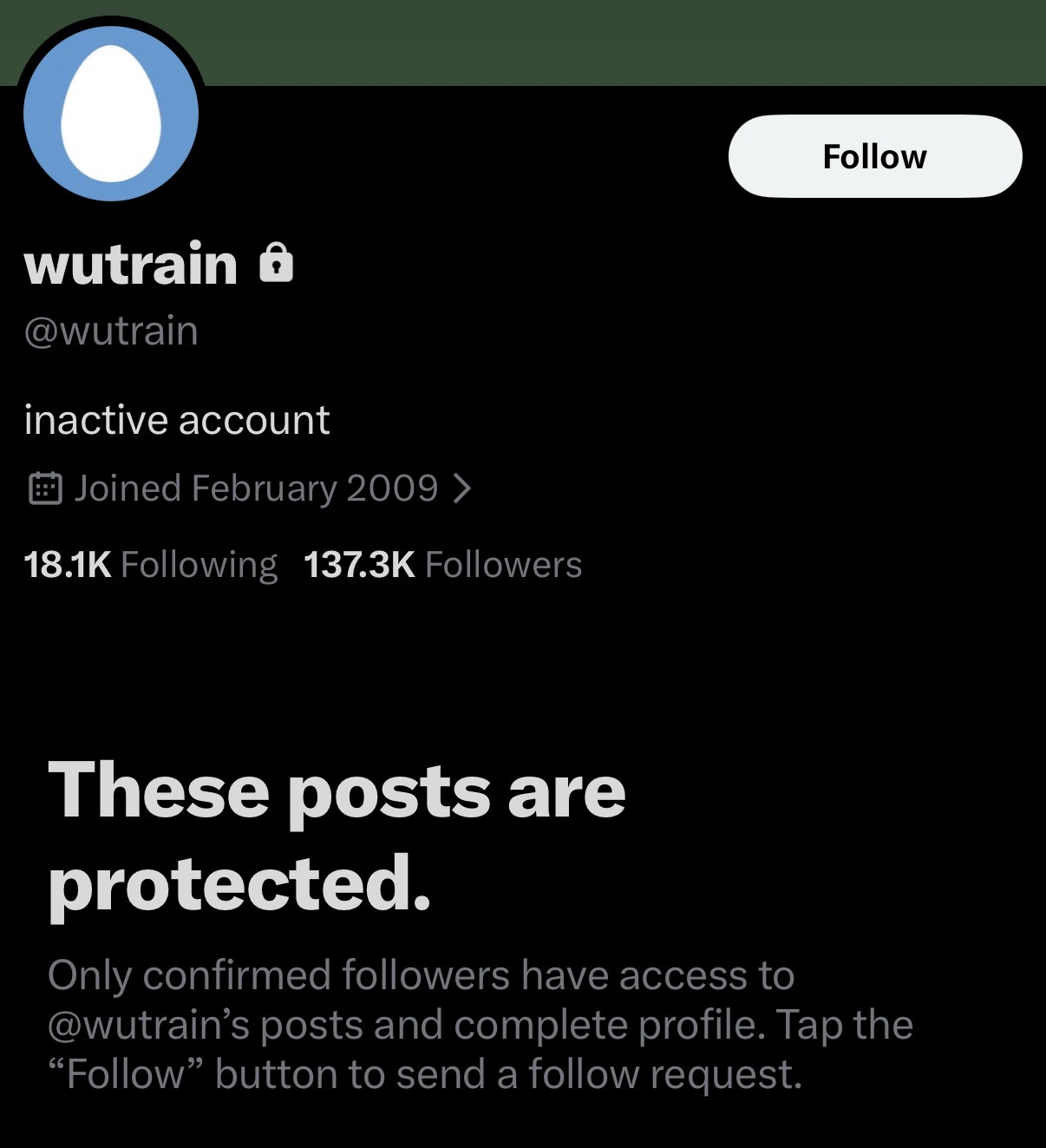
Wu’s official X accounts have officially gone dark
Wu once appeared comfortable with exposure. Early in her career, friction was met rather than avoided. As mayor, that posture eroded — and the shift became unmistakable when criticism moved beyond social media.
For example, late last year when major business groups broke with her over proposed tax policies — after initially signaling support — Wu did not confront the dissent publicly. She withdrew from it. She skipped a long-standing annual business breakfast that Boston mayors of both parties had attended for decades, a move widely noted at the time as a deliberate absence rather than a scheduling conflict.
In a report by the Boston Globe, Wu justified the snub by accusing the Boston Municipal Research Bureau of “misrepresentations” and a “focus on optics rather than impact,” adding that “the City cannot continue to provide exclusive access or early previews for this group over other corporate entities and voices.”
The language was striking not for its diplomacy but for its finality. Disagreement was recast as bad faith. Criticism was framed as distortion. And access — once treated as a civic norm — was explicitly withdrawn. The episode established a pattern that has since repeated itself: when opposition becomes persistent or public, the forum itself is deemed illegitimate, and the mayor exits rather than engages.
That instinct has since hardened into habit.
MASSDAILYNEWS
STAY UPDATED
Get Mass Daily News delivered to your inbox
ADVERTISEMENT · Interested in advertising?
ADVERTISEMENT · Interested in advertising?
Wu has described platforms like X as corrosive and exhausting, arguing that they elevate conflict and undermine thoughtful discussion. That framing recasts discomfort as principle. But cities do not operate on harmony. They operate on pressure. Leaders who endure it grow steadier. Leaders who recoil from it seek softer terrain.
Since quitting X, Wu has continued to communicate—but almost exclusively through environments designed to minimize surprise. On Instagram, users frequently complain that critical comments beneath her posts never appear. The platform allows comments to be filtered automatically before the public ever sees them. City Hall offers no transparency about how those tools are used, but the result is visible: even controversial announcements are greeted by comment sections scrubbed of dissent.
What makes the retreat more conspicuous is that it is not a requirement of progressive politics. Governor Maura Healey continues to use X despite sustained backlash and hostile replies, just as Elizabeth Warren, Ed Markey, and Ayanna Pressley — figures Wu has long admired — have done for years. None abandoned the platform. None relocated official communications to niche alternatives. Whatever their ideology, they remained present in the public square. Wu’s decision to leave it places her not among her peers, but apart from them.
Wu has also moved official city messaging to Bluesky, a niche platform with minimal presence in Boston’s civic life. It is small, ideologically aligned, and aggressively moderated. It offers reassurance, not challenge. It offers agreement, not accountability. It is not where cities argue; it is where beliefs are affirmed.
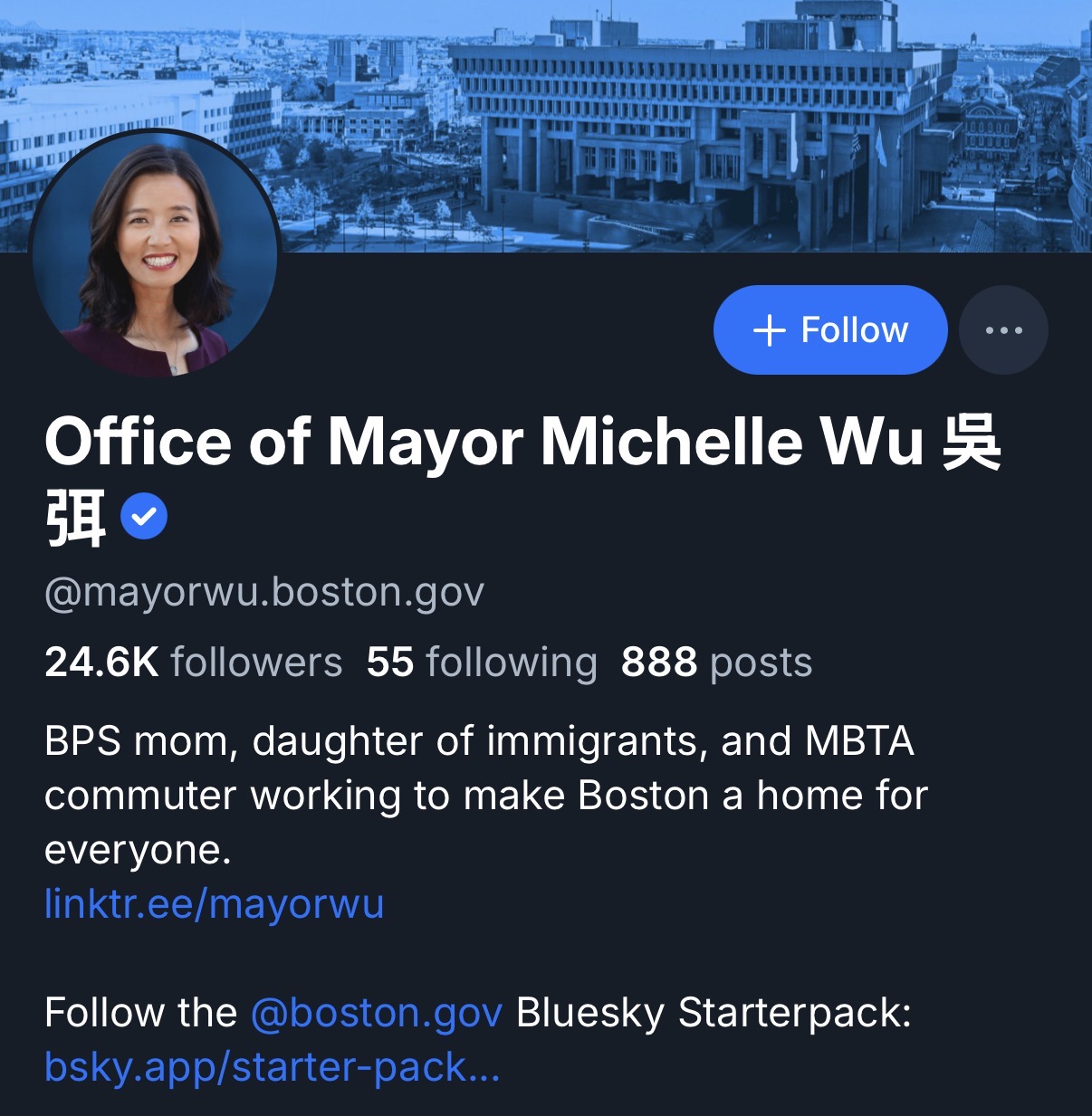
Mayor Michelle Wu’s official Bluesky account — a niche platform known for heavy moderation and an overwhelmingly progressive audience. A smaller, more controlled space to broadcast City Hall messaging, with far fewer critics and a comment environment that tilts toward affirmation rather than debate.
Her media strategy follows the same pattern. Wu remains available to friendly, carefully moderated venues—public radio, lifestyle conversations, sympathetic interviews—while avoiding unscripted forums where pushback is inevitable and control is limited. Engagement continues, but only under conditions she controls.
Over time, this posture has fed a quiet but persistent narrative inside Boston political circles: that the mayor is unusually sensitive to sustained criticism, that she internalizes dissent as personal attack, and that withdrawal is her preferred coping mechanism. Rumors about emotional strain circulated early in her tenure, never substantiated and never confirmed, but notable less for their accuracy than for why they felt plausible to so many observers.
ADVERTISEMENT · Interested in advertising?
ADVERTISEMENT · Interested in advertising?
The contrast with other left-wing politicians is stark. New York City mayor-elect Zohran Mamdani holds views at least as ideologically rigid as Wu’s. Yet when presented with a hostile platform, he showed up. He went on Fox News once during his campaign and defended his ideas in an environment designed to oppose him. He did not retreat. He argued.
Wu has not.
X still functions as Boston’s digital town hall. The arguments continue. The criticism persists. The only thing missing is the mayor.
Public leadership does not require comfort. It requires endurance. It demands the ability to absorb pressure without flinching, to face opposition without retreating into managed spaces, and to remain present where disagreement is loudest.
By quitting X, filtering dissent elsewhere, and surrounding herself with softer venues, Mayor Wu has not escaped criticism. She has confirmed its core claim.
Boston is not a curated audience. It is not a safe space. It is a city that argues back.
And increasingly, it has a mayor who cannot.
Loading Comments