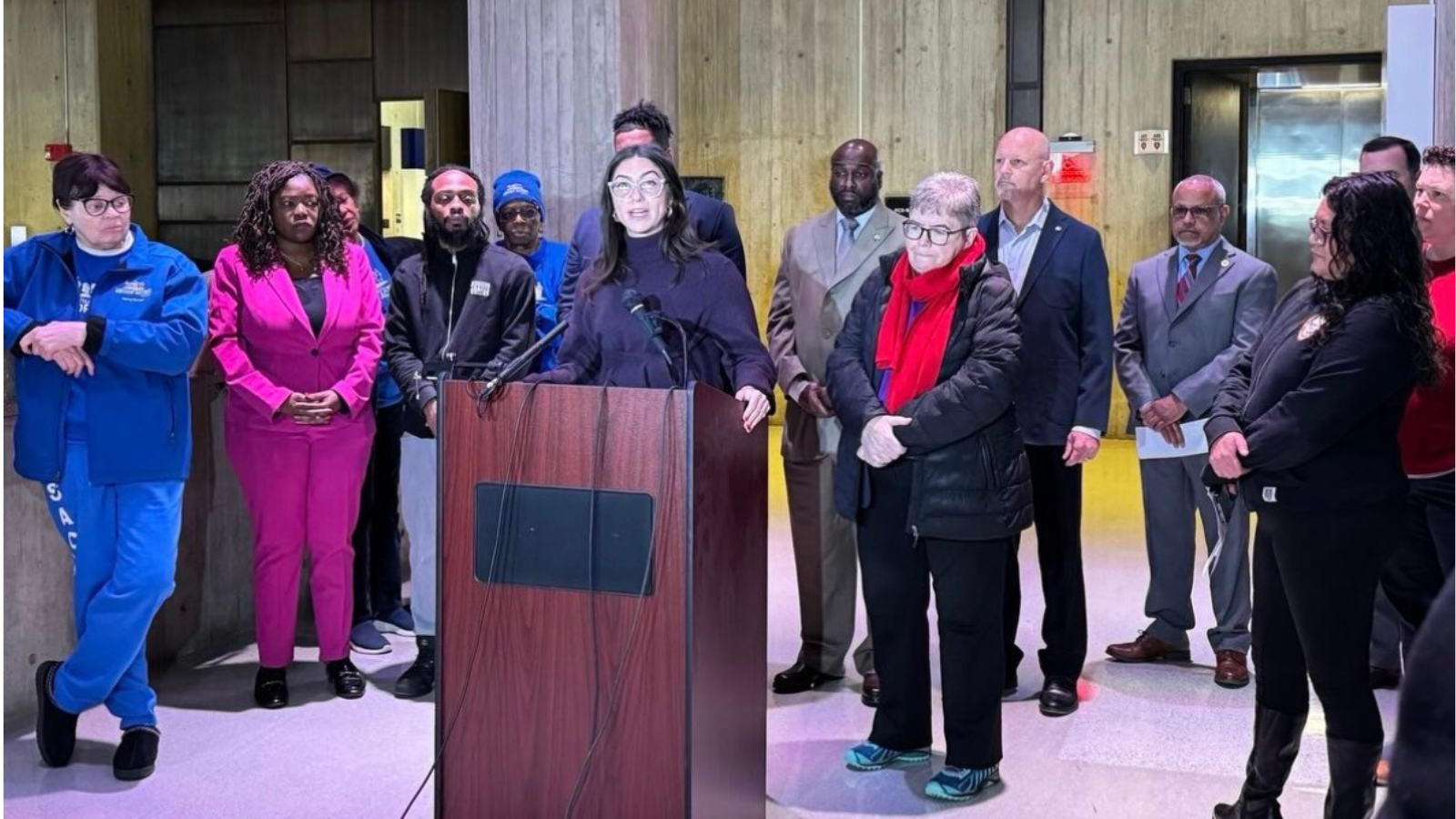
BOSTON — The Boston City Council is expected to vote today on a tax classification measure that could raise bills for homeowners — a decision coming just weeks before City Hall pay raises, including a substantial increase for Mayor Michelle Wu, are set to take effect.
City leaders insist the vote is procedural. For residents facing higher costs, the timing is hard to ignore.
A vote that hits home
Today’s vote determines how Boston divides its property tax burden between commercial and residential properties. With commercial values down and residential assessments up, the shift places more pressure on homeowners — even with the residential exemption.
The vote doesn’t create Boston’s fiscal problems, but it advances the process that determines what residents will soon owe.
Pay raises kicking in as bills rise
In 2022, the City Council approved raises for both councilors and the mayor, structured to take effect in future terms rather than immediately.
Those raises are now set to kick in within weeks.
Under the approved plan:
- Councilors’ salaries rise from about $103,500 to roughly $125,000.
- Mayor Wu’s salary jumps from roughly $207,000 to around $250,000.
- Residents will receive tax bills shaped by today’s decision.
MASSDAILYNEWS
STAY UPDATED
Get Mass Daily News delivered to your inbox
ADVERTISEMENT · Interested in advertising?
ADVERTISEMENT · Interested in advertising?
The raises were approved years ago, but their arrival now — as homeowners brace for higher costs — has reignited scrutiny over City Hall priorities.
Some residents argue the moment would feel different if councilors had rejected, deferred, or frozen their raises before voting to raise costs elsewhere. No such measure is being considered.
Questions about spending linger
Adding to the tension are unanswered questions around major city spending commitments.
Councilor Julia Mejia has pressed the Wu administration for clearer numbers on projects like the White Stadium redevelopment — a plan that sparked controversy over the summer as estimates circulated ranging from roughly $90 million to as high as $172 million or more when accounting for full buildout and potential overruns.
Mejia has argued that before residents are asked to pay more, the city should be transparent about what it’s already committing to spend.
A council largely aligned
ADVERTISEMENT · Interested in advertising?
ADVERTISEMENT · Interested in advertising?
Despite those questions, the Council is expected to move forward nearly unanimously. Most members remain aligned with the mayor’s approach, backing higher rates and pointing to outside forces — the pandemic, the commercial real estate downturn, and stalled state action — as the drivers of the current pressure.
Calls for spending restraint, pauses, or deeper review have gained little traction inside City Hall.
The contrast residents notice
For homeowners, the issue is less about policy mechanics and more about contrast.
City Hall pay goes up.
Major spending questions linger.
Residents absorb the adjustment.
Major spending questions linger.
Residents absorb the adjustment.
The vote happens today.
The bills follow soon after.
Loading Comments