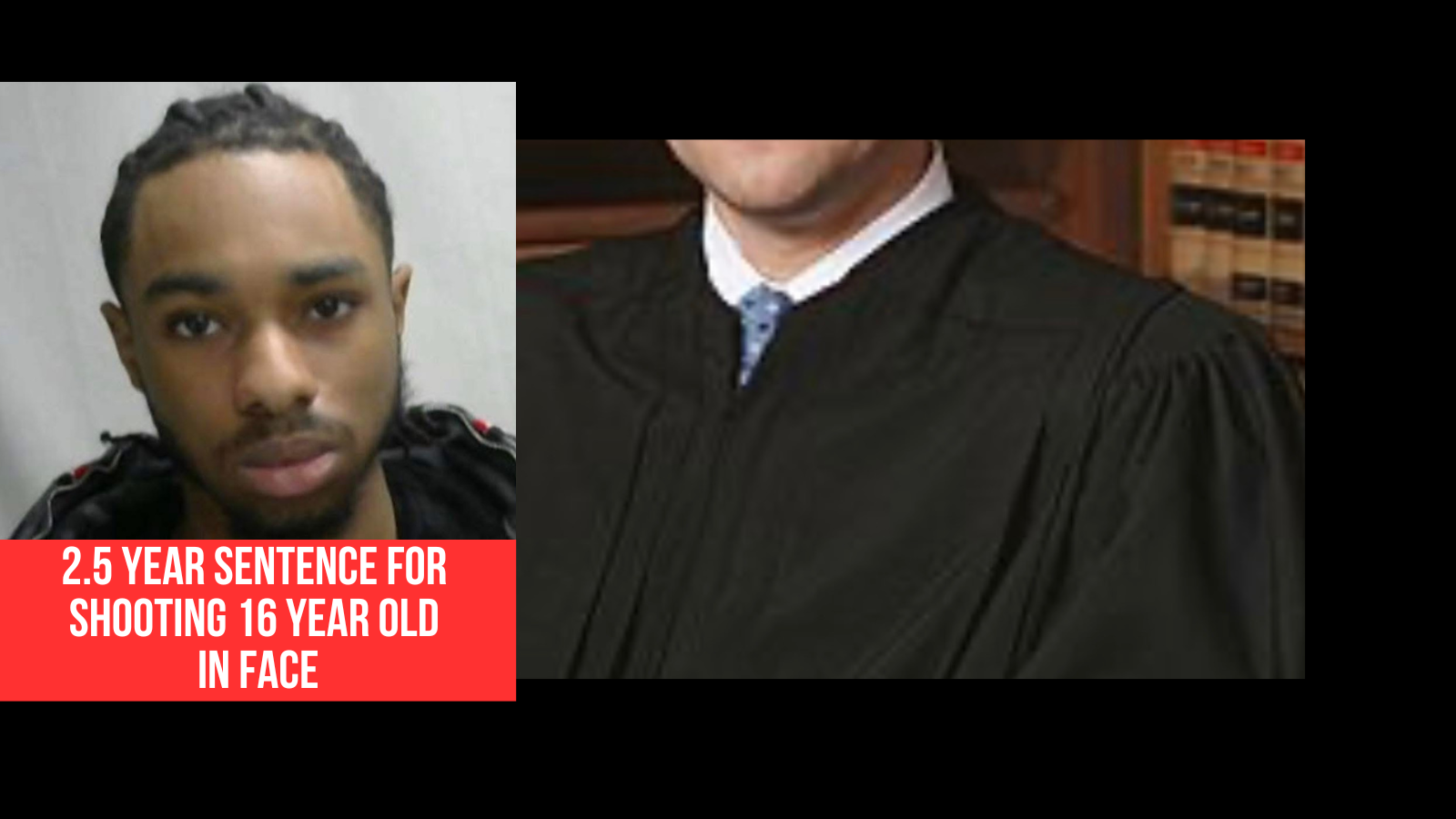
Massachusetts keeps proving the same painful point: violent offenders are either cycled through the courts with stunning leniency or handed sentences that leave victims and families speechless. And every time it happens, residents ask the same question — who exactly is being protected by this system?
Take one of the most disturbing cases of the year.
A 19-year-old Brockton man, Anthony Lopes, shot a 16-year-old girl in the face during a confrontation over an $800 jacket at an Easton apartment complex. He pled guilty to armed robbery, assault and battery with a firearm, and possessing a large-capacity weapon.
His punishment? Just 2.5 to 3 years in state prison.
A teenage girl was shot in the face — and the system responded with a sentence lighter than many drug cases.
It’s the kind of outcome that fuels what police chiefs and mayors have been warning about for years: Massachusetts courts are operating a revolving-door justice system where criminals get chance after chance while victims get lifelong trauma.
Springfield Mayor Domenic Sarno has blasted judges for unleashing repeat violent offenders onto the community, calling the decisions a “public-safety nightmare.” Prosecutors privately admit that low bail, no bail, and lenient plea deals are feeding a cycle that everyone sees coming — except the people handing down the rulings.
And now, one question is exploding nationwide:
MASSDAILYNEWS
STAY UPDATED
Get Mass Daily News delivered to your inbox
ADVERTISEMENT · Interested in advertising?
ADVERTISEMENT · Interested in advertising?
If a judge releases a violent repeat offender — or hands out a lenient sentence — and someone gets hurt, should that judge be punished?
Florida is already moving in that direction.
A new proposal there — the Judicial Accountability for Irresponsible Leniency Act — would allow victims (or their families) to sue judges who release violent offenders who then reoffend. The bill strips away traditional judicial immunity in those cases, opening the door for civil action when a judge’s decision ends in tragedy.
Supporters say it’s about time judges feel real consequences.
Critics say it’s a dangerous precedent.
But the debate is spreading fast.
Here in Massachusetts, where violent offenders routinely walk out of courtrooms with low bail, zero bail, or strikingly light sentences, the idea is gaining traction among residents who feel abandoned by a system designed to protect them.
ADVERTISEMENT · Interested in advertising?
ADVERTISEMENT · Interested in advertising?
Just recently, multiple defendants facing serious charges — including gun crimes — were released outright when public defenders didn’t show up. Communities were stunned. Victims were furious. And once again, nobody on the bench faced consequences.
So the question stands:
Should Massachusetts judges who dump violent offenders back onto the streets be punished when someone gets hurt?
Should victims and families have the right to hold judges accountable — the same way Florida is now proposing?
The political establishment won’t ask it.
Massachusetts residents will.
Should judges face punishment when their decisions unleash danger?
Loading Comments